
A reliable water heater is essential for maintaining comfort and convenience at home. From taking warm showers to washing dishes and cleaning household items, hot water plays an important role in everyday activities. When a water heater suddenly stops producing hot water, even simple household tasks can become frustrating. No heat can result from several problems, including faulty heating elements, thermostat malfunctions, electrical issues, gas supply interruptions, or sediment buildup.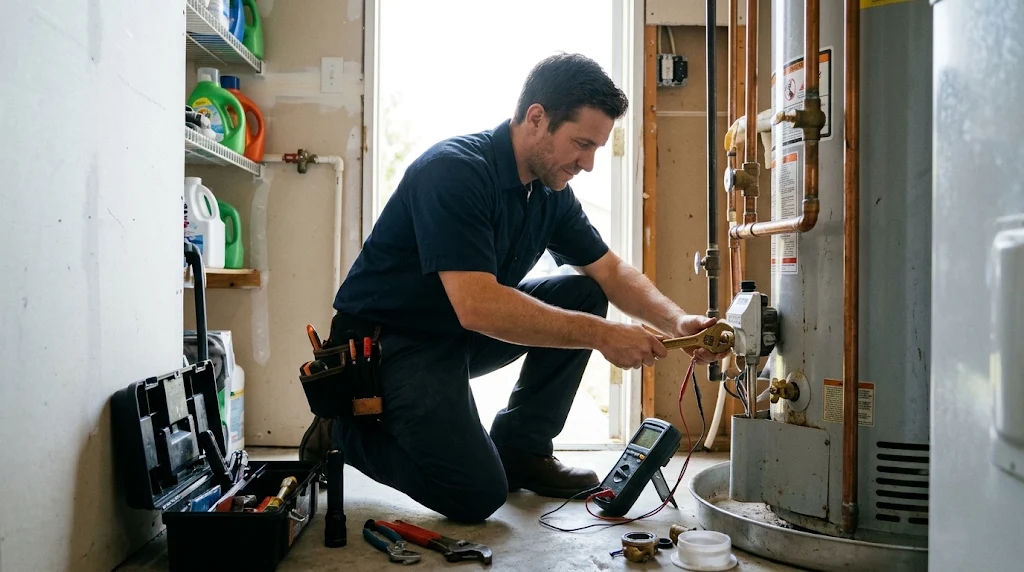
When these problems occur, professional Water Heater Repair Albuquerque NM services can help homeowners identify the source of the issue and restore their hot water supply. Choosing experienced local technicians is important because water heaters involve electrical connections, gas components, plumbing systems, and temperature controls that require appropriate knowledge.
Understanding why professional repairs matter can help homeowners make informed decisions. Whether the water heater has stopped working completely or only produces lukewarm water, knowing what to expect from a repair service can make the situation easier to manage.
Why Your Water Heater Has No Heat
A water heater that stops producing hot water may have one or several underlying problems. Identifying the cause is the first step toward finding an appropriate solution.
Different water heater models operate using different heating systems. Traditional storage tanks generally use gas burners or electric heating elements, while tankless systems heat water as it passes through the unit.
Each system has components that can malfunction over time.
Faulty Heating Elements
Electric water heaters commonly use one or two heating elements to warm the water inside the tank.
These elements gradually experience wear because of repeated heating cycles and mineral deposits. When an element fails, the water heater may produce insufficient hot water or stop heating entirely.
A professional technician can inspect the heating components and determine whether replacement is necessary.
Replacing a damaged element can restore normal operation when the remaining components are functioning correctly.
Thermostat Problems
The thermostat controls the temperature of the water inside an electric water heater. It signals the heating elements when additional heat is required.
If the thermostat becomes defective, the heating system may not receive the correct instructions.
Homeowners might notice inconsistent temperatures, lukewarm water, or a complete absence of hot water.
A qualified technician can test the thermostat, check its connections, and determine whether adjustment or replacement is appropriate.
Gas Supply Interruptions
Gas water heaters depend on a consistent fuel supply to operate properly.
A problem involving the gas supply, burner assembly, or ignition system may prevent the appliance from heating water.
Some units may also experience problems with their pilot-light or electronic ignition systems.
Because gas appliances involve potential safety hazards, homeowners should avoid attempting internal repairs. A qualified professional should inspect the system and identify the cause.
Sediment Accumulation
Water naturally contains minerals that can settle at the bottom of a storage tank.
Over time, these minerals create sediment that interferes with efficient heating. Heavy accumulation can also contribute to unusual noises and increased operating costs.
Professional inspection and appropriate maintenance can help determine whether flushing or additional repairs are necessary.
Why Choose Professional Water Heater Repair Albuquerque NM Services?
Water Heater Repair Albuquerque NM unexpectedly, homeowners often want a solution as quickly as possible. However, choosing a repair provider based only on speed or price can lead to disappointing results.
Professional technicians bring technical knowledge, suitable equipment, and experience with different water heater systems.
Accurate Problem Diagnosis
One major advantage of professional repair is accurate troubleshooting.
A water heater may stop producing heat because of an electrical issue, damaged thermostat, faulty heating element, or another internal problem.
Replacing components without identifying the actual cause can waste money and leave the original problem unresolved.
Experienced technicians follow a systematic inspection process. They examine the appliance, test relevant components, and evaluate its operating condition.
This approach helps identify the underlying issue instead of relying on assumptions.
Experience With Different Water Heater Models
Homes in Albuquerque may have different types of water heaters depending on their age, plumbing arrangements, household requirements, and energy preferences.
Some properties use traditional tank systems, while others have tankless or high-efficiency models.
Professional Water Heater Repair Albuquerque NM services can help homeowners address problems involving different equipment types.
Technicians familiar with multiple systems can explain the repair requirements and recommend suitable solutions based on the appliance's condition.
Reliable and Appropriate Repairs
A repair should address the underlying problem rather than provide a temporary improvement.
Professional technicians use appropriate replacement components and follow manufacturer recommendations when performing repairs.
They can also inspect related connections and controls to determine whether additional problems could affect performance.
Proper repairs can improve reliability and help prevent recurring interruptions in hot water service.
Common Signs Your Water Heater Needs Professional Attention
Complete heating failure is not the only reason to arrange an inspection.
Water heaters often display warning signs before they stop working altogether. Recognizing these symptoms can help homeowners address problems earlier.
Water Remains Lukewarm
If the water never becomes sufficiently warm, the thermostat or heating elements may not be operating correctly.
Gas models may have burner or ignition problems that prevent proper heating.
Although temperature settings can sometimes explain the issue, persistent lukewarm water deserves professional attention.
Hot Water Runs Out Quickly
A household may notice that hot water disappears much faster than usual.
Possible explanations include sediment accumulation, a malfunctioning heating element, an undersized system, or increased household demand.
A technician can inspect the appliance and determine whether a repair or capacity-related solution is needed.
Unusual Popping or Rumbling Sounds
Water heaters sometimes produce noises as sediment accumulates inside the tank.
Heating water around mineral deposits can create popping, crackling, or rumbling sounds.
These noises do not always indicate immediate equipment failure, but persistent or worsening sounds should be investigated.
Water Around the Heater
Moisture around the appliance may indicate a loose plumbing connection, leaking valve, condensation, or damaged tank.
A leaking tank can be particularly serious because internal corrosion may make replacement necessary.
Homeowners should not ignore unexplained water accumulation around their equipment.
Repeated System Shutdowns
If a water heater repeatedly stops working, its safety controls or internal components may be responding to an underlying malfunction.
Repeated resets are not a dependable solution.
Professional inspection can identify why the system keeps shutting down and whether continued operation is safe.
How Albuquerque's Climate Can Affect Water Heater Performance
Local environmental conditions can influence the way household plumbing and water heating systems operate.
Albuquerque experiences a high-desert climate, with relatively dry conditions, warm summers, and cooler winter periods.
These environmental factors make appropriate water heater maintenance important.
Cooler Winter Temperatures
During colder periods, incoming water can be significantly cooler than during warmer months.
As a result, water heaters may need to provide more heating energy to reach the selected temperature.
A system that already has a weak heating element or inefficient burner may struggle to maintain comfortable temperatures.
Professional maintenance can help identify performance problems before colder weather increases household demand.
Mineral Content in Water
Mineral content can contribute to sediment accumulation inside storage water heaters.
The rate of accumulation depends on the local water supply, household usage, and maintenance history.
Regular professional inspection helps determine whether mineral deposits are affecting heating efficiency.
Temperature Changes and Plumbing Connections
Seasonal temperature changes can place additional stress on certain plumbing components.
Connections, valves, and exposed pipes should remain in suitable condition to prevent leaks and other problems.
A technician can inspect accessible plumbing connections while evaluating the water heater.
What Happens During a Professional Water Heater Repair Visit?
Knowing what to expect during a repair appointment can help homeowners feel more prepared.
A professional visit generally involves several stages, although the exact process depends on the equipment and the reported symptoms.
Initial Inspection
The technician begins by discussing the symptoms.
They may ask when the problem started, whether the unit produces any hot water, and whether unusual noises or leaks have appeared.
This information helps narrow down possible causes.
The technician then examines the appliance and checks its visible components.
Testing Important Components
After the initial inspection, the technician may test different parts of the system.
For electric water heaters, this may involve checking electrical connections, thermostats, heating elements, and relevant safety controls.
For gas models, the inspection may involve the burner, ignition system, gas-related components, and ventilation arrangements.
Testing helps determine which component requires attention.
Explaining the Recommended Repair
Before performing significant work, a reliable technician should explain the findings.
Homeowners should understand what caused the heating problem, which components need attention, and whether replacement parts are required.
The technician should also explain estimated costs and any important limitations.
Clear communication makes it easier to decide how to proceed.
Completing the Repair
Once the homeowner approves the work, the technician can complete the appropriate repair.
Depending on the problem, this might involve replacing a defective thermostat, addressing an ignition issue, repairing a suitable connection, or replacing a damaged heating element.
The technician should follow relevant safety procedures and manufacturer guidance.
Testing the Water Heater
After completing the repair, the system should be checked to confirm that it operates properly.
The technician may verify heating performance, inspect connections, and check for signs of leakage.
This final inspection helps establish whether the original problem has been resolved.
Benefits of Hiring Local Water Heater Repair Specialists
Working with a local service provider can offer several practical advantages.
Homeowners benefit from dealing with technicians who understand the area's residential properties, common plumbing arrangements, and local service requirements.
Faster Communication and Scheduling
A local company may be able to coordinate appointments more conveniently than a provider operating from a distant location.
When a household has no hot water, timely communication can make a considerable difference.
Homeowners should ask about appointment availability, estimated arrival times, and whether emergency services are offered.
Familiarity With Local Homes
Albuquerque contains a mixture of older properties, newer developments, and homes with different plumbing configurations.
A technician familiar with local residential systems may be better prepared to assess common installation arrangements and equipment requirements.
However, experience and qualifications should always be verified rather than assumed.
Easier Follow-Up Support
Repair work sometimes requires additional adjustments or follow-up inspections.
Working with an established local provider can make communication easier if questions arise after the appointment.
Homeowners should ask about workmanship warranties and manufacturer warranties covering replacement parts.
Better Understanding of Local Requirements
Water heater installations and certain repairs may involve building codes, permits, and safety requirements.
A qualified local professional should understand which rules apply to the specific job.
This is particularly important when replacing a unit, modifying plumbing connections, or changing fuel arrangements.
Repair or Replacement: Which Option Makes More Sense?
Not every water heater problem requires purchasing a new appliance.
In many situations, repairing an individual component is more practical and economical.
However, replacement may be the better long-term decision when the equipment is old or extensively damaged.
When Repair Is Usually Appropriate
Repair may be suitable when:
-
The water heater is relatively new.
-
The tank remains in good condition.
-
The problem involves a replaceable component.
-
Replacement parts are reasonably available.
-
The repair cost is proportionate to the appliance's remaining useful life.
For example, a defective thermostat or heating element may be replaceable without purchasing an entirely new water heater.
When Replacement May Be Necessary
Replacement deserves consideration when:
-
The storage tank has developed significant corrosion.
-
Water is leaking from the tank itself.
-
The appliance requires repeated expensive repairs.
-
Replacement components are difficult to obtain.
-
The system has become inefficient or unsuitable for household needs.
A leaking tank generally cannot be restored through an ordinary component repair.
A technician can assess the appliance and explain whether replacement is more sensible.
Comparing Long-Term Costs
The cheapest immediate repair is not always the most economical decision.
Homeowners should consider the repair price, expected remaining lifespan, operating efficiency, maintenance requirements, and likelihood of additional problems.
A transparent comparison helps prevent unnecessary spending.
How to Choose the Right Water Heater Repair Company
Selecting a trustworthy repair company is an important part of resolving a no-heat problem.
Homeowners should evaluate more than advertising claims or promotional prices.
Verify Licensing and Insurance
Ask whether the company and technician hold the appropriate New Mexico licenses for the work being performed.
Insurance is also important because it helps establish whether the provider has suitable business coverage.
Homeowners should not hesitate to request verification.
Check Experience and Technical Knowledge
Different water heater systems require different troubleshooting methods.
Ask whether the technician has experience with the specific manufacturer, model, and heating system installed in the home.
Relevant experience can make diagnosis and repair more efficient.
Request Clear Pricing
Before approving work, request an explanation of the estimated charges.
The estimate should clarify labor, replacement components, diagnostic fees, and any additional expenses that may apply.
Avoid providers who refuse to explain their pricing or pressure homeowners into unnecessary purchases.
Ask About Warranties
A reputable company should explain any applicable workmanship warranty and the warranty coverage for replacement components.
Homeowners should understand what is covered, how long coverage lasts, and whether any conditions apply.
Written information is preferable to relying on verbal promises.
Consider Customer Feedback
Online reviews can provide useful information about communication, scheduling, workmanship, and customer service.
Look for consistent patterns rather than relying on one particularly positive or negative review.
Pay attention to how companies respond when customers report problems.
Preventing Future Water Heater Heating Problems
Professional repairs address existing faults, but preventive maintenance can help reduce the likelihood of future breakdowns.
A maintenance routine also helps homeowners recognize developing problems before they become more disruptive.
Schedule Periodic Inspections
A professional inspection can identify worn components, developing leaks, unusual corrosion, and other performance concerns.
The appropriate inspection frequency depends on the water heater's age, model, manufacturer recommendations, and household usage.
Address Sediment Buildup
Storage water heaters may require periodic flushing to remove accumulated sediment.
However, flushing procedures should be appropriate for the specific equipment.
Older or heavily corroded units may require additional assessment before maintenance is performed.
Check for Visible Leaks
Homeowners can occasionally inspect the area around their water heater for unexplained moisture.
Pay attention to plumbing connections, the drain valve, and the pressure relief valve.
Never block or disable a safety valve to stop a leak.
Monitor Temperature Performance
Notice whether water temperature changes unexpectedly or whether hot water runs out faster than usual.
These changes may indicate a developing problem.
Early professional attention can sometimes prevent a minor issue from becoming a larger repair.
Follow Manufacturer Recommendations
Different water heater models have different maintenance requirements.
Following the manufacturer's instructions helps ensure that servicing is appropriate for the appliance.
Professional technicians can also explain which maintenance tasks should be performed by qualified personnel.
Water Heater Safety During a No-Heat Emergency
When a water heater stops producing heat, safety should remain the first priority.
Homeowners should avoid opening electrical compartments, attempting gas-line repairs, or modifying internal safety controls.
These systems require suitable training and equipment.
Electrical Water Heater Safety
If an electric water heater shows signs of electrical damage, burning odors, or repeated breaker trips, stop using the appliance and arrange professional inspection.
Do not repeatedly reset a breaker that continues to trip.
A qualified electrician or appropriately licensed technician can identify the electrical problem.
Gas Water Heater Safety
If a gas water heater produces a gas odor, leave the affected area and contact the appropriate emergency or gas service from a safe location.
Avoid operating electrical switches or creating ignition sources near a suspected gas leak.
Gas-related problems should always be handled by qualified professionals.
Pressure and Temperature Controls
Water heaters contain safety devices designed to manage temperature and pressure.
These controls should never be bypassed or disabled.
If a pressure relief valve appears to leak or discharge unexpectedly, arrange a professional inspection.
Safety components are essential to protecting the household and the appliance.
Conclusion
Having no hot water can disrupt household routines, create unnecessary inconvenience, and indicate a problem that needs professional attention. Whether the cause involves a defective heating element, malfunctioning thermostat, gas supply issue, sediment accumulation, or damaged plumbing connection, identifying the underlying problem is essential for choosing the right repair.
Choosing Water Heater Repair Albuquerque NM services gives homeowners an opportunity to work with professionals who can inspect their equipment, diagnose heating problems, recommend appropriate repairs, and verify system performance. Experienced technicians can also help determine whether repairing an existing appliance or replacing it would provide better long-term value.
Local knowledge, appropriate licensing, transparent pricing, technical experience, and reliable customer support are important factors when selecting a repair company. Homeowners should also ask about warranties, maintenance recommendations, and the expected lifespan of their equipment.
Preventive maintenance is equally important. Regular inspections, appropriate sediment management, attention to unusual noises, and early investigation of leaks can help maintain dependable water heater performance.
Most importantly, homeowners should never compromise safety when dealing with electrical or gas-powered equipment. Professional assistance is the appropriate choice whenever a heating problem involves internal components, fuel connections, electrical faults, or safety controls.
A properly maintained and professionally repaired water heater can provide dependable hot water, support everyday comfort, and help prevent unnecessary household disruptions. By choosing qualified local professionals and addressing problems promptly, Albuquerque homeowners can make informed decisions about their water heating systems and protect their investment over time.
