A vehicle's bodywork plays an important role in its appearance, safety, and overall condition. Over time, cars can develop dents, scratches, paint damage, rust, and other imperfections due to road accidents, weather conditions, parking incidents, and everyday use. These problems can affect the vehicle's appearance and, in some cases, reduce its value. 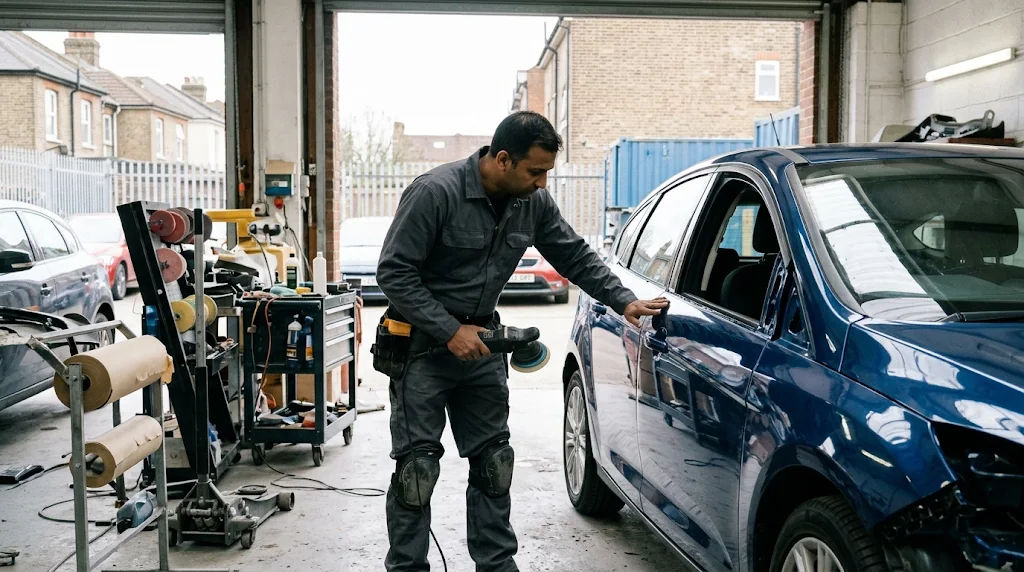 Fortunately, professional vehicle repair services can help restore damaged bodywork and bring a car closer to its original condition.
A body shop south east london can provide a range of restoration services designed to repair different types of vehicle body damage. From minor scratches and small dents to more serious collision damage, experienced technicians use specialist equipment and suitable repair methods to improve the vehicle's condition. The exact work required depends on the type of damage, the vehicle's age, and the condition of its body panels and paintwork.
Understanding how professional bodywork restoration works can help vehicle owners make informed decisions. Whether a car has suffered accident damage or simply needs attention after years of regular use, professional repairs can make a noticeable difference. This guide explains the restoration process, the services available, the equipment involved, and what drivers should consider before arranging repairs.
What Does Bodywork Restoration Mean?
Bodywork restoration involves repairing and improving the exterior structure and appearance of a vehicle. It can include fixing damaged panels, removing dents, treating rust, repairing scratches, and applying fresh paint where necessary.
The purpose is to restore the vehicle's exterior as closely as reasonably possible to its original appearance and condition.
Bodywork restoration does not always mean completely rebuilding a vehicle. Sometimes, a few targeted repairs are enough to correct visible imperfections.
Common Types of Bodywork Damage
Cars experience different types of exterior damage throughout their lifespan. Some problems are cosmetic, while others may affect important structural components.
Common examples include:
-
Scratches: Surface marks caused by keys, branches, road debris, or contact with other objects.
-
Dents: Indentations caused by parking accidents, minor collisions, or falling objects.
-
Paint damage: Peeling, fading, bubbling, or chipped paint that affects the vehicle's finish.
-
Rust: Corrosion that develops when protective coatings become damaged and metal is exposed to moisture.
-
Cracked bumpers: Damage caused by impacts or pressure.
-
Panel damage: Bent or distorted doors, wings, bonnets, and other exterior components.
Professional technicians assess these problems before deciding which restoration methods are suitable.
Why Is Professional Restoration Important?
Professional restoration can improve the appearance of a vehicle while helping prevent certain types of damage from becoming worse.
For example, untreated paint chips can expose the metal underneath to moisture. Over time, this may encourage corrosion.
Similarly, a damaged panel may have sharp edges, poor alignment, or hidden problems that need attention.
A proper inspection helps identify these concerns and determine the appropriate repair work.
How Can a Body Shop South East London Restore Damaged Bodywork?
A professional body shop south east london can restore different areas of a vehicle by combining inspection, preparation, repair, and refinishing techniques.
The process depends on the damage involved. A small scratch requires a different approach from a badly damaged door or a vehicle that has experienced a collision.
1. Initial Vehicle Inspection
The first stage involves examining the vehicle to understand the extent of the damage.
Technicians inspect the affected panels, paintwork, bumpers, doors, and surrounding areas. They may also check whether the impact has affected panel alignment or underlying structures.
This assessment helps establish which repairs are necessary.
For more serious damage, additional inspection methods and measuring equipment may be required.
2. Removing Dents and Panel Damage
Dents are among the most common bodywork problems.
Depending on their size, location, and severity, technicians may use paintless dent removal or conventional panel repair methods.
Paintless dent removal is suitable for certain minor dents where the paint remains intact and the metal can be carefully returned to its original shape.
More extensive damage may require panel reshaping, filling, or replacement.
The objective is to create a smooth, correctly aligned surface before refinishing begins.
3. Repairing Scratches and Paintwork
Scratches can range from light surface marks to deeper damage that reaches the primer or metal underneath.
Minor scratches may be corrected through polishing or other surface treatments.
Deeper scratches usually require additional preparation. Technicians may sand the affected area, apply suitable primer, and repaint the damaged section.
A professional paint finish helps the repaired area blend with the surrounding bodywork.
4. Restoring Damaged Bumpers
Bumpers are particularly vulnerable because they are positioned at the front and rear of vehicles.
Minor bumper scratches, scuffs, and certain cracks can sometimes be repaired without replacing the entire component.
However, severely damaged bumpers may need replacement.
Technicians assess the material, mounting points, and overall condition before recommending a suitable solution.
What Techniques Are Used During Bodywork Restoration?
Modern vehicle restoration involves several techniques. The most appropriate method depends on the vehicle's construction and the type of damage.
Paintless Dent Removal
Paintless dent removal is a technique used to correct certain dents without repainting the affected area.
Specialist tools allow technicians to carefully reshape accessible metal panels from behind or through suitable access points.
This method can be useful for minor parking dents and similar damage.
However, it is not appropriate for every situation. Deep creases, damaged paint, stretched metal, and difficult panel locations may require conventional repairs.
Panel Beating
Panel beating involves reshaping damaged metal panels to restore their original contours.
Technicians use specialist tools and controlled techniques to correct distortions.
This method may be used for doors, wings, bonnets, and other metal body components.
The repaired panel must be checked carefully to ensure that its shape and alignment are suitable before painting.
Filling and Sanding
When a panel has small imperfections that cannot be corrected through reshaping alone, suitable body filler may be used.
The material is applied to the prepared area and shaped once it has cured.
Sanding then creates a smooth surface for primer and paint application.
Proper preparation is essential because poor surface finishing can remain visible after the vehicle has been painted.
Professional Spray Painting
Spray painting helps restore the vehicle's exterior finish after bodywork repairs.
The process generally involves cleaning, preparing, priming, colour matching, applying paint, and adding a protective clear coat where appropriate.
Professional spray booths help provide controlled conditions for consistent results.
Technicians also consider the vehicle's existing colour and finish to achieve a close match.
Can Accident-Damaged Bodywork Be Fully Restored?
In many situations, accident-damaged bodywork can be restored successfully. However, the outcome depends on how severe the accident was and whether important structural components were affected.
Minor collisions may only damage exterior panels, bumpers, or paintwork.
More serious accidents can affect the vehicle's frame, suspension mounting areas, and other important components.
Understanding Different Levels of Accident Damage
Accident damage can generally be divided into three categories.
Minor cosmetic damage
This includes scratches, small dents, paint chips, and minor bumper marks. These problems are often suitable for targeted bodywork repairs.
Moderate damage
This may involve damaged doors, wings, bumpers, or multiple panels. Repairs may require panel replacement, reshaping, and repainting.
Major structural damage
Severe collisions may affect the vehicle's structural integrity. Specialist assessment, measuring equipment, and manufacturer-approved repair procedures may be necessary.
Not every severely damaged vehicle can be economically or safely restored. A professional assessment helps determine whether repairs are practical.
Why Structural Inspections Matter
A vehicle can look acceptable from the outside while having hidden damage underneath.
For this reason, accident restoration should not focus only on appearance.
Technicians may need to inspect structural sections, suspension attachment points, safety systems, and other components.
Any repairs involving structural or safety-related parts should follow appropriate manufacturer procedures.
Can Bodywork Restoration Improve a Car's Appearance?
Yes. One of the main benefits of professional restoration is the improvement it can make to a vehicle's overall appearance.
Even relatively small imperfections can make a car look older or less well maintained.
Repairing scratches, correcting dents, and restoring faded paint can create a cleaner and more consistent exterior.
Restoring the Original Paint Finish
Paint condition has a significant influence on how a vehicle looks.
Sun exposure, environmental pollution, road dirt, and general wear can gradually affect the exterior finish.
Depending on the condition, technicians may recommend polishing, localised repainting, or repainting larger sections.
The objective is to achieve a consistent finish that complements the existing paintwork.
Improving Panel Alignment
Uneven gaps between panels can make a vehicle look poorly maintained.
They may also indicate previous collision damage or incorrect installation.
Professional technicians can inspect and adjust suitable panels to improve their alignment.
Correct fitting helps doors, bonnets, and boot lids open and close properly.
Repairing Faded and Damaged Areas
Some vehicles develop uneven paint colour because of prolonged exposure to sunlight.
Other vehicles may have peeling clear coat or damaged paint caused by environmental conditions.
Depending on the extent of deterioration, restoration may involve polishing or repainting affected areas.
How Long Does Bodywork Restoration Take?
The time required depends on the type and amount of damage.
A minor scratch may be repaired relatively quickly, while extensive accident restoration can take considerably longer.
Several factors influence the repair schedule.
Factors That Affect Repair Time
Severity of damage: Larger or more complicated repairs generally require additional work.
Availability of parts: Replacement panels and components may need to be ordered.
Paint preparation: Proper cleaning, sanding, priming, and colour matching take time.
Repair complexity: Structural repairs and multiple damaged panels require more detailed work.
Additional inspections: Certain vehicles may need mechanical or safety-related checks before repairs are completed.
Drivers should request an estimated completion date before approving the work.
It is also sensible to allow some flexibility because unexpected damage may become visible once technicians remove damaged components.
How Much Does Bodywork Restoration Cost?
There is no single price for bodywork restoration because every vehicle and repair situation is different.
The total cost depends on labour, materials, replacement components, paint requirements, and the complexity of the work.
Main Factors That Influence Pricing
-
Type of damage: Minor scratches usually require less work than extensive collision damage.
-
Vehicle model: Some vehicles have specialist materials, components, or paint finishes.
-
Replacement parts: New panels and other components can increase the overall cost.
-
Paint matching: Special finishes and multi-stage paint systems may require additional work.
-
Labour requirements: Complex repairs take more technician time.
-
Hidden damage: Additional problems discovered during repairs can affect the estimate.
A written quotation should explain the proposed work and identify any important exclusions.
Why the Cheapest Quote Is Not Always Best
Choosing a repair service based only on price can lead to disappointment.
Low-cost repairs may not include proper preparation, suitable replacement components, or thorough finishing.
A better approach is to compare quotations based on the quality and scope of the work.
Drivers should understand what is included, which parts will be repaired or replaced, and whether the work carries a warranty.
How to Choose the Right Body Shop in South East London
Selecting a suitable repair specialist is an important part of achieving good restoration results.
Not all workshops offer the same services, equipment, or experience.
A careful comparison can help vehicle owners find a service that meets their requirements.
Check Experience and Qualifications
Look for technicians with relevant experience in vehicle body repairs.
Experience with different vehicle materials and repair methods can be particularly valuable.
For modern vehicles, it is also important to establish whether the workshop follows appropriate manufacturer repair procedures.
Review Previous Work
Photographs of completed repairs can provide useful information about workmanship.
Look for examples involving similar damage, paint finishes, or vehicle types.
Customer reviews may also help identify common strengths and weaknesses.
However, consider several reviews rather than relying on a single comment.
Ask About Equipment and Facilities
Professional bodywork restoration may require specialist equipment.
Depending on the repair, this can include:
-
Paint preparation areas.
-
Spray booths.
-
Dent removal tools.
-
Panel repair equipment.
-
Measuring systems.
-
Vehicle inspection equipment.
Suitable facilities can support accurate repairs and consistent finishing.
Request a Detailed Quotation
Before agreeing to any work, ask for a clear written estimate.
It should explain the proposed repairs, expected costs, replacement parts, and estimated completion time.
If additional damage is discovered, the workshop should explain the issue and discuss any revised costs before proceeding with extra work.
What Happens After Bodywork Restoration?
Completing the repair is not the only important part of the restoration process.
The vehicle should also undergo appropriate final checks to ensure that the repaired areas meet the required standards.
Final Quality Inspection
Technicians should inspect the repaired panels for visible imperfections, uneven paint, and incorrect alignment.
They may also check that doors, bumpers, lights, and other affected components are fitted correctly.
Where relevant, safety-related systems should be checked according to manufacturer requirements.
Looking After Repaired Paintwork
Newly painted areas may require particular care during the initial period after repair.
The workshop should explain any product-specific instructions, including when washing, polishing, or waxing is appropriate.
Following these recommendations can help protect the new finish.
Regular Vehicle Maintenance
Once the restoration is complete, regular maintenance can help preserve the vehicle's appearance.
Useful habits include:
-
Washing the vehicle regularly.
-
Removing bird droppings and road contaminants promptly.
-
Checking for new scratches and paint chips.
-
Addressing early signs of corrosion.
-
Parking away from unnecessary sources of damage where practical.
These simple steps can help maintain the condition of the bodywork over time.
Can Bodywork Restoration Increase a Vehicle's Resale Value?
Professional restoration may improve a vehicle's resale appeal, particularly when visible damage makes it appear neglected.
Buyers often consider exterior condition when evaluating a used vehicle.
A car with properly repaired panels, consistent paintwork, and a clean appearance may create a better impression.
However, restoration does not guarantee an increase in market value.
The vehicle's age, mileage, service history, mechanical condition, accident history, and repair quality all influence its resale value.
Keep Records of Completed Repairs
Maintaining documentation is a sensible way to demonstrate that work has been completed professionally.
Useful records include:
-
Written repair quotations.
-
Final invoices.
-
Replacement parts information.
-
Details of completed work.
-
Relevant warranties.
-
Photographs taken before and after repairs.
These documents can help provide transparency when selling the vehicle.
Common Mistakes to Avoid During Bodywork Restoration
Vehicle owners can make better repair decisions by understanding some common mistakes.
Ignoring Small Damage
Minor scratches and paint chips may seem unimportant, but they can expose underlying materials to moisture and environmental damage.
Addressing suitable repairs early may help prevent more extensive deterioration.
Choosing Repairs Without an Inspection
Assuming that all dents or scratches can be fixed using the same method can result in unsuitable repairs.
An inspection helps identify the correct approach.
Focusing Only on Appearance
A vehicle may look attractive after cosmetic repairs, but hidden accident damage must also be considered.
Structural and safety-related issues should never be ignored.
Accepting Unclear Pricing
A vague quotation can lead to unexpected costs.
Always establish which repairs are included and how additional work will be approved.
Neglecting Aftercare
Even high-quality repairs need suitable maintenance.
Following the workshop's recommendations can help preserve the restored finish.
Conclusion
Bodywork restoration is an effective way to improve a vehicle's appearance, address exterior damage, and maintain its overall condition. Whether a car has minor scratches, parking dents, faded paint, damaged bumpers, or more extensive accident damage, professional repair techniques can help restore many affected areas.
A reliable body shop south east london can assess the condition of a vehicle, recommend suitable restoration methods, and carry out repairs using appropriate tools and materials. Services may include paintless dent removal, panel beating, scratch repairs, bumper restoration, rust treatment, and professional spray painting.
The most important step is understanding the type and extent of the damage before choosing a repair method. Cosmetic imperfections may require relatively straightforward work, whereas serious collision damage can involve detailed inspections and specialist procedures. Structural repairs must always receive particular attention because vehicle safety is more important than exterior appearance.
Choosing an experienced workshop, requesting a detailed quotation, checking previous work, and understanding the repair process can help vehicle owners make confident decisions. It is equally important to follow aftercare recommendations once the work has been completed.
Ultimately, professional bodywork restoration can help bring a damaged vehicle closer to its original condition, improve its appearance, and support its long-term maintenance. With proper assessment, suitable repair techniques, and regular care, drivers can enjoy a cleaner and better-maintained vehicle for years to come.