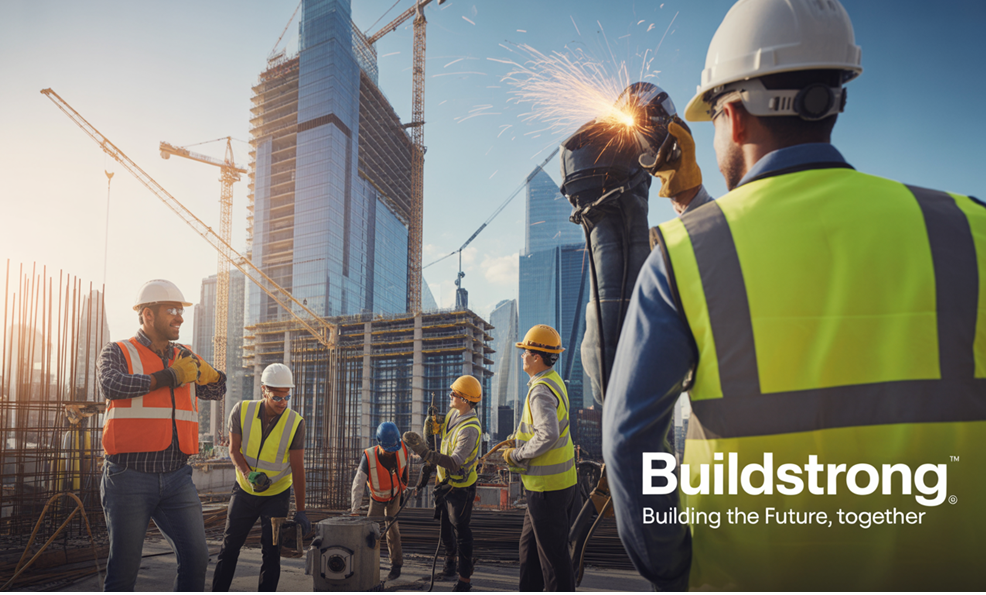
For centuries, orthodox manufacturing has been the spine of industries worldwide. From the first heavy-duty revolution that introduced mechanization to the modern font-day product systems utilizing robotics and AI, the landscape of manufacturing has undergone a shift. While the travel has been noticeable by significant get on, laser marking and engraving manufacturing faces both challenges and stimulating opportunities as it continues to develop. For businesses that have been used to to a certain way of operative, embrace these changes can be daunting. But for those willing to adapt, there are endless possibilities for increment and excogitation.
The Changing Landscape of Traditional ManufacturingClosebol
dTraditionally, manufacturing relied heavily on manual of arms labor and basic machinery, with an vehemence on mass production and economies of scale. Think back to the 19th century when factories buzzed with activity—workers alongside machines, creating goods in big volumes. Fast send on to the 20th century, and mechanisation began to pussyfoot in with meeting place lines, a earmark of the industrial revolution.
However, in the 21st century, the game has metamorphic. The rise of technologies like the Internet of Things(IoT), factitious news(AI), robotics, and 3D printing has reshaped orthodox manufacturing, shifting it from a work on focused only on loudness to one that is smarter, quicker, and more nimble.
But for many manufacturers invulnerable in long-established practices, these field advancements can feel like a perturbation rather than an opportunity. Let’s dive into the challenges that come with this organic evolution and the stimulating opportunities on the purview for those gear up to evolve with the multiplication.
Challenges in the Evolution of Traditional ManufacturingClosebol
d
- Resistance to Change
One of the biggest challenges in the evolution of traditional manufacturing is the underground to transfer. Many manufacturers, especially moderate and medium-sized enterprises(SMEs), have been operational in synonymous ways for decades. They’ve improved a set of practices that have served them well, so the idea of integration new technologies and rethinking byplay models can be overwhelming.
This resistance often stems from a fear of the terra incognita. Will new engineering interrupt the workflow? Will it want expensive investments? Will employees need to be retrained? The answers to these questions are not always , leading some businesses to hold back from adopting new innovations.
High Initial Investment
While the potentiality long-term savings and efficiency gains from new technologies are significant, the direct costs of transitioning to Bodoni manufacturing methods can be a major vault. Automation, AI, and IoT systems want essential investment funds in machinery, computer software, and preparation. For modest businesses or companies already in operation on fast margins, this can feel like an impossible obstruction.
Furthermore, integration new technologies into an existing system of rules can also postulate , which can negatively touch productiveness in the short term. The idea of "disrupting" a perfectly performance system of rules to follow through newer technologies can cause anxiousness for -makers.
Workforce Transformation
With the presentation of automation and AI into manufacturing processes, there is growth refer over job displacement. While these technologies undoubtedly better efficiency, they also require workers to adapt to new roles. Employees who were once part of manual, tug-intensive processes may need to instruct new skills to keep pace with Bodoni production systems.
While mechanisation can indeed make new types of jobs—such as those in tech support or machine programming—it also raises concerns about reskilling workers for roles that may not have been in before. For traditional manufacturing industries, upskilling and reskilling the manpower are crucial to stay competitive.
Supply Chain Complexity
As manufacturing becomes more complex and interconnected, so do the supply irons that support it. With new technologies like IoT, manufacturers can now cut across every component part from the supplier to the end production, but managing this data can be resistless. As the volume of data increases, companies face the take exception of qualification feel of this entropy to optimise provide chains, tighten waste, and exert a steady flow of production.
The risk of a breakdown at any point in the ply chain is amplified, as even the smallest bug can disrupt production processes. For manufacturers, managing this complexness can want new systems, strategies, and software.
Opportunities in the Evolution of Traditional ManufacturingClosebol
d
- Increased Efficiency and Productivity
One of the biggest advantages of modernizing manufacturing processes is the potency for substantial gains. Automation allows for quicker, more nice product, and with IoT sensors, machines can discover issues before they leave in dearly-won . Predictive maintenance—an future trend—can prevent machine failure, delivery both time and money. By streamlining trading operations, manufacturers can make more with less.
The introduction of AI and machine encyclopaedism can further enhance these gains by analyzing vast amounts of data and optimizing processes in ways world might not be able to foresee. Through data-driven -making, businesses can ameliorate product rates, tighten waste, and run at their highest capacity.
Customization and Flexibility
In today’s market, consumers demand products that cater to their unique preferences. Traditional manufacturing was all about mass product of standardised goods. But now, customization has become a key differentiator. Modern technologies, like 3D printing process and elastic mechanisation, have made it easier for manufacturers to produce personalized products without compromising on travel rapidly or efficiency.
For example, in the fashion manufacture, companies can use automated systems and 3D knit machines to make bespoke garments that meet the particular measurements and desires of somebody customers. Similarly, in the self-propelling manufacture, manufacturers can offer customers a variety show of features and configurations, allowing for a high degree of personalization on the production line.
Sustainability and Waste Reduction
Another major opportunity for orthodox manufacturing is the ability to better sustainability. With the profit-maximizing vehemence on environmentally amicable practices, modern font manufacturing technologies can help businesses tighten waste and energy expenditure. IoT can supervise vim utilization in real-time, automatically adjusting processes to minimize waste and optimise resourcefulness use.
Additionally, innovations in materials skill and 3D printing process are sanctionative manufacturers to use less raw stuff, creating less run off. For manufacturers focussed on sustainability, embracement these new technologies can help better both their bottom line and their situation step.
New Revenue Streams and Business Models
The phylogeny of orthodox manufacturing opens doors to new business models and tax revenue streams. As technologies develop, manufacturers can passage from purely production-focused businesses to data-driven service providers. For illustrate, manufacturers can now offer prophetical upkee as a service, using IoT-enabled devices to monitor customers' machinery and offer insights that help them reduce downtime and upkee costs.
Similarly, the whole number transformation allows companies to search new ways of marketing and distributing products. Direct-to-consumer models, power-driven by e-commerce and integer tools, allow manufacturers to wage with customers on a more subjective level, creating stronger relationships and potentially higher margins.
Conclusion: The Future of Traditional ManufacturingClosebol
dThe phylogeny of orthodox manufacturing is an stimulating journey that blends the old with the new. While the challenges are certainly real—resistance to transfer, high investment , and me transformation—there are also huge opportunities to bosom. With the right go about, manufacturers can not only overtake these hurdle race but also tap into new increase opportunities, rising , production customization, sustainability, and even gainfulness.
The key to success lies in determination a poise between embracing new technologies and maintaining the core values and practices that have long been the fundamentals of manufacturing. As industries adapt to this new world, the future of orthodox manufacturing will be defined by those who are bold enough to hug transfer and visionary enough to see the infinite possibilities it brings.