Automatic glass doors are a staple in modern commercial and residential spaces. They offer convenience, security, and accessibility.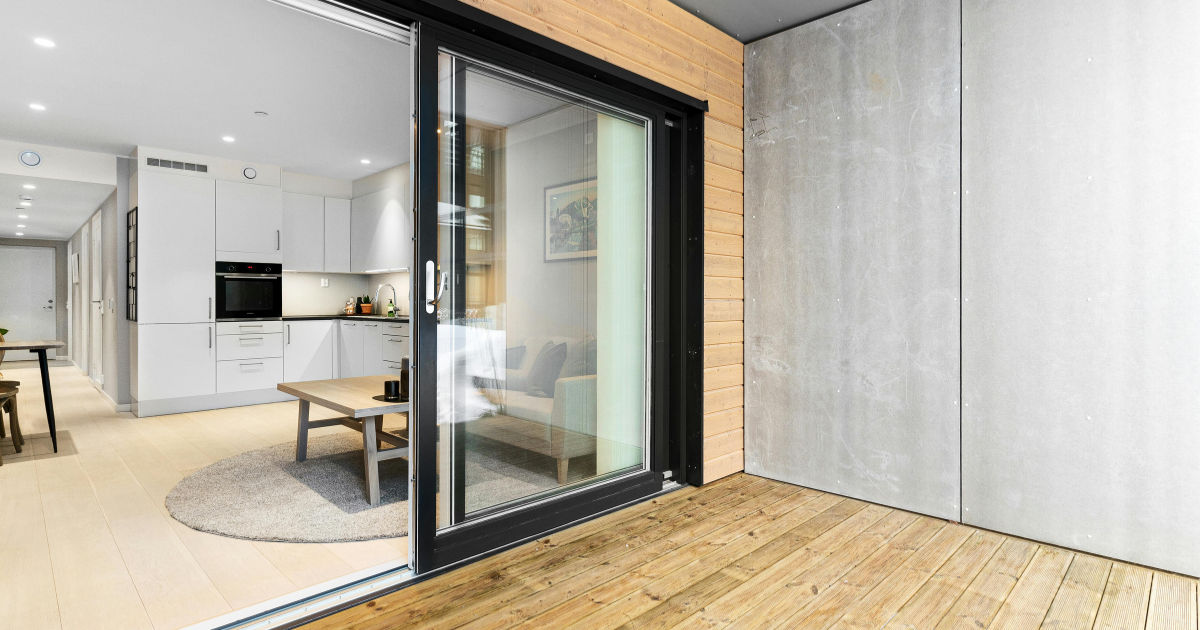
However, the effectiveness of these doors heavily depends on the proper placement of the Automatic Glass Door Sensor. Installing the sensor in the wrong position can cause the door to malfunction, fail to detect people, or even create safety hazards.
This guide will help you understand where and how to place an automatic glass door sensor to ensure optimal performance.
Understanding Automatic Glass Door Sensors
Before discussing placement, it’s important to understand what an Automatic Glass Door Sensor is and how it works.
These sensors are devices installed near or around automatic doors to detect movement. When someone approaches the door, the sensor triggers the door to open automatically. Sensors can operate using different technologies, including:
-
Infrared Sensors: Detect heat and motion.
-
Microwave Sensors: Use electromagnetic waves to sense movement.
-
Photoelectric Sensors: Detect objects by using a beam of light.
Each type has its advantages, and the choice may affect where you should place it. But the ultimate goal is the same: the sensor must detect movement effectively and safely.
Why Proper Sensor Placement Matters
The placement of an Automatic Glass Door Sensor is critical for several reasons:
-
Safety: Misplaced sensors may fail to detect someone, leading to injuries if the door closes unexpectedly.
-
Efficiency: Proper placement ensures smooth and timely opening and closing, preventing wear and tear on the door system.
-
Energy Savings: Sensors that detect movement accurately prevent the door from staying open unnecessarily, saving energy in climate-controlled buildings.
-
User Experience: People expect the door to open seamlessly. Incorrect sensor placement can create delays, frustrating users.
Incorrect sensor placement can also cause false triggers, where the door opens when no one is present. This can lead to increased maintenance costs and unnecessary energy usage.
Ideal Height for Automatic Glass Door Sensors
One of the first considerations is the height at which the sensor is installed. The height affects how well it detects people of different sizes and even objects like shopping carts or luggage.
-
Standard Height: Most automatic door sensors are installed at a height between 6 to 8 feet from the ground. This allows the sensor to detect both adults and children effectively.
-
Low-Mounted Sensors: In areas where children frequently pass through, such as schools or daycares, consider a secondary lower sensor to ensure safety.
-
Overhead Sensors: Some sensors are installed in the door frame above the door. Overhead placement works well for infrared sensors, as they can cover a wider area.
The goal is to make sure that the sensor detects motion at the correct distance and angle.
Horizontal Placement Considerations
Height isn’t the only factor. Horizontal placement—the distance from the door—also plays a major role.
-
Front-Mounted Sensors: These are placed directly above or in front of the door. They detect anyone approaching from a straight path. Front-mounted placement is ideal for high-traffic entrances.
-
Side-Mounted Sensors: Sensors can also be mounted on the sides of the doorway. This is effective for doors with unusual traffic patterns, such as corners or angled entrances.
-
Coverage Area: The sensor must cover the intended detection zone without extending too far. If it detects movement too early, the door may open unnecessarily. If it detects movement too late, it may fail to open in time.
Most manufacturers provide diagrams showing the optimal horizontal placement based on sensor type and door width.
Choosing the Right Sensor Type for Placement
Different sensors have varying requirements for placement:
-
Infrared Sensors: Best for overhead installation, as they can detect heat signatures across a wide area. Ideal for main entrances and lobbies.
-
Microwave Sensors: Can penetrate glass and other obstacles, allowing flexible placement. Side-mounted or hidden placement is possible.
-
Photoelectric Sensors: Require a clear line of sight. Overhead or side mounting works, but they may not detect people behind objects.
Choosing the right sensor type helps determine the optimal placement and prevents false triggers or missed detections.
Environmental Factors Affecting Sensor Placement
Environmental conditions can greatly influence sensor performance. Consider the following before installing an Automatic Glass Door Sensor:
-
Lighting Conditions: Infrared and photoelectric sensors can be affected by direct sunlight or reflections. Avoid placing sensors where glare may interfere with detection.
-
Weather Exposure: For exterior doors, ensure the sensor is weatherproof or protected from rain, wind, and snow.
-
Obstructions: Avoid placing sensors where signs, decorations, or furniture block detection.
-
High Traffic Areas: In crowded areas, sensors must be positioned to prevent constant triggering.
By accounting for these factors, you can maintain both safety and functionality.
Determining the Detection Zone
The detection zone is the area in which the sensor can detect motion. Proper sensor placement ensures the detection zone aligns with the doorway’s width and traffic pattern.
-
Width Coverage: The sensor should cover the entire doorway and a small area in front of it to detect approaching individuals.
-
Depth Coverage: The sensor should detect motion early enough for the door to open smoothly but not so early that it opens unnecessarily.
-
Adjustable Sensors: Many sensors allow adjustment of the detection range and angle. Use these settings after mounting the sensor to fine-tune coverage.
A well-defined detection zone prevents missed openings or false activations.
Indoor vs. Outdoor Sensor Placement
Indoor and outdoor automatic doors require slightly different placement strategies.
-
Indoor Doors: Typically have fewer environmental factors to consider. Overhead placement is common, and sensors can be adjusted easily.
-
Outdoor Doors: Must handle elements like rain, wind, sunlight, and temperature changes. Overhead sensors with weather-resistant housing are preferred. Avoid placing sensors where direct sunlight may cause false triggers.
Understanding the environment is key to successful sensor placement.
Installation Tips for Automatic Glass Door Sensors
Proper installation ensures long-term reliability. Here are practical tips:
-
Follow Manufacturer Guidelines: Each sensor comes with a recommended placement range. Follow these instructions carefully.
-
Use Level Tools: Ensure the sensor is mounted level to prevent uneven detection zones.
-
Test the Sensor: After installation, test the detection zone with adults, children, and objects like carts or wheelchairs.
-
Adjust Settings: Most sensors allow adjustment of sensitivity, range, and angle. Fine-tune these settings after installation.
-
Maintain Clearance: Keep the sensor free of obstructions for consistent performance.
These steps will ensure the Automatic Glass Door Sensor functions reliably and safely.
Common Mistakes in Sensor Placement
Even minor errors can affect sensor performance. Common mistakes include:
-
Too High or Low: Placing the sensor outside recommended height ranges may cause detection failures.
-
Incorrect Angle: Sensors angled incorrectly may miss approaching people or trigger unnecessarily.
-
Blocked Sensors: Obstructions like signs or plants can prevent the sensor from detecting movement.
-
Ignoring Traffic Patterns: Failing to consider the flow of people can lead to missed or false activations.
Avoiding these mistakes ensures smooth door operation.
Safety Considerations
Safety is paramount when installing an Automatic Glass Door Sensor. Improper placement can result in injuries or liability issues.
-
Child Safety: Make sure sensors detect smaller individuals.
-
Accessibility Compliance: Sensors should meet ADA requirements, ensuring doors open for individuals with disabilities.
-
Emergency Situations: Ensure sensors do not interfere with manual override or emergency exits.
Regular maintenance and testing can prevent accidents caused by sensor failure.
Advanced Placement Techniques
For high-traffic or complex areas, advanced techniques can optimize sensor performance:
-
Dual Sensors: Using two sensors at different heights or angles improves detection for both small and tall individuals.
-
Zoning Sensors: Some sensors allow multiple zones to detect specific areas, useful for angled or corner entrances.
-
Integration with Building Systems: Modern automatic doors can integrate with security cameras or access control systems to enhance safety and efficiency.
These techniques help achieve precise and reliable sensor performance.
Maintenance and Troubleshooting
Even with perfect placement, sensors require regular maintenance:
-
Clean the Lens: Dust or dirt can block infrared or photoelectric sensors.
-
Check Alignment: Ensure the sensor hasn’t shifted or become loose.
-
Test Sensitivity: Regularly verify that the detection range covers the doorway correctly.
-
Replace Damaged Sensors: Worn or broken sensors must be replaced promptly to maintain safety and functionality.
Routine maintenance extends the lifespan of your Automatic Glass Door Sensor and ensures consistent performance.
Conclusion
Placing an Automatic Glass Door Sensor correctly is crucial for safety, efficiency, and user experience. Proper placement considers height, horizontal position, sensor type, detection zones, and environmental factors. Indoor and outdoor doors have different requirements, and high-traffic areas may require advanced placement techniques.
By following manufacturer guidelines, avoiding common mistakes, and performing regular maintenance, you can ensure that your automatic doors function seamlessly. Thoughtful placement of sensors not only enhances convenience but also prevents accidents, reduces energy waste, and improves accessibility for all users.
Investing the time to place sensors correctly is a small step that has a significant impact on the safety and reliability of automatic glass doors. Whether in commercial or residential settings, understanding where and how to install your Automatic Glass Door Sensor ensures long-term satisfaction and performance.