
Drug and alcohol outpatient treatment provides a flexible and effective approach for individuals struggling with substance use disorders.
Unlike inpatient programs, outpatient treatment allows patients to receive therapy while maintaining daily responsibilities such as work, school, and family commitments.
This form of treatment combines medical support, psychological counseling, and behavioral therapies to help patients achieve long-term recovery.
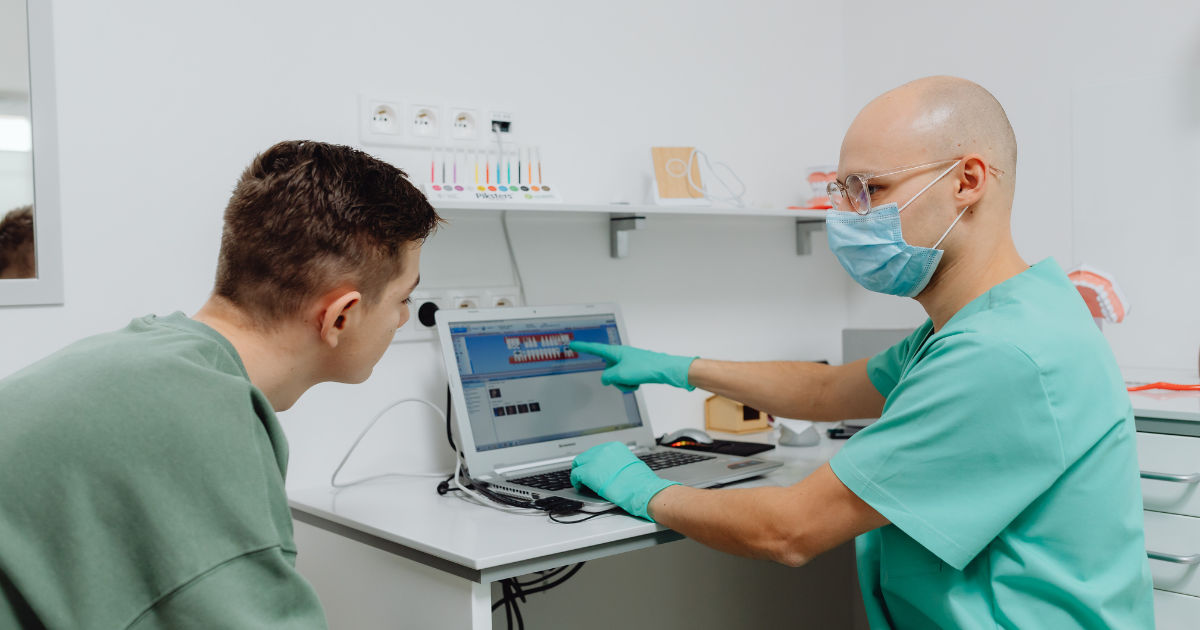
Outpatient treatment programs are designed to meet individual needs. The therapies used in these programs vary depending on the severity of addiction, personal goals, and any co-occurring mental health disorders.
Understanding these therapies is essential for anyone considering drug and alcohol outpatient treatment, as it helps set realistic expectations and fosters commitment to the recovery process.
Behavioral Therapies in Outpatient Treatment
Behavioral therapies are a cornerstone of drug and alcohol outpatient treatment. These therapies focus on changing harmful behaviors and thought patterns associated with substance use. They also teach coping strategies to manage cravings and prevent relapse.
Cognitive Behavioral Therapy (CBT)
Cognitive Behavioral Therapy, or CBT, is widely used in outpatient programs. CBT helps individuals identify negative thought patterns and replace them with healthier thinking. Patients learn to recognize triggers that lead to substance use and develop strategies to manage these situations effectively.
CBT also addresses co-occurring mental health conditions such as depression or anxiety, which are often linked with substance abuse. In outpatient treatment, CBT sessions are usually held once or twice a week, allowing patients to apply their learning in real-life scenarios between appointments.
Motivational Interviewing (MI)
Motivational Interviewing is a therapy that helps patients find internal motivation to change their behaviors. Rather than prescribing actions, MI encourages patients to explore their ambivalence toward quitting substances.
During MI sessions, therapists ask open-ended questions, listen actively, and help patients set realistic recovery goals. This therapy is particularly effective in outpatient settings because it empowers patients to take responsibility for their recovery while receiving professional guidance.
Contingency Management (CM)
Contingency Management is a behavioral therapy that uses positive reinforcement to encourage sobriety. In outpatient treatment, patients may receive rewards such as vouchers, privileges, or small prizes for meeting specific recovery milestones.
CM works by promoting consistent attendance in therapy sessions, adherence to medication regimens, and drug-free urine tests. This method reinforces positive behaviors, making it easier for patients to remain committed to their drug and alcohol outpatient treatment programs.
Group Therapy in Outpatient Treatment
Group therapy plays a vital role in drug and alcohol outpatient treatment. It provides a supportive environment where patients can share experiences, challenges, and successes.
Peer Support and Accountability
Being part of a group helps patients understand that they are not alone in their struggles. Group members can provide encouragement, advice, and accountability. Sharing personal stories fosters empathy and creates a sense of belonging, which is critical for recovery.
Skill-Building in Groups
Group therapy sessions often include skill-building exercises that teach communication, conflict resolution, and stress management. These skills are essential for maintaining sobriety outside the treatment environment.
Specialized Groups
Some outpatient programs offer specialized groups for specific populations, such as young adults, women, or individuals with co-occurring mental health disorders. These groups address unique challenges and create a tailored recovery experience within the outpatient framework.
Individual Counseling in Outpatient Treatment
Individual counseling allows patients to work one-on-one with a trained therapist. This personalized approach helps address specific issues that may not be suitable for group therapy.
Personalized Recovery Plans
During individual counseling, therapists develop recovery plans that consider the patient’s medical history, substance use patterns, and personal goals. These plans outline therapy schedules, coping strategies, and long-term objectives.
Addressing Underlying Issues
Substance use is often linked to unresolved trauma, mental health disorders, or life stressors. Individual counseling provides a safe space for patients to explore these underlying issues. By addressing the root causes of addiction, patients are better equipped to maintain sobriety.
Progress Monitoring
Regular individual counseling sessions allow therapists to monitor progress closely. Adjustments to therapy plans can be made based on the patient’s response, ensuring that outpatient treatment remains effective throughout recovery.
Family Therapy in Outpatient Programs
Drug and alcohol outpatient treatment often involves family therapy. Addiction affects not only the individual but also their loved ones. Including family members in therapy can improve communication, resolve conflicts, and rebuild trust.
Strengthening Family Bonds
Family therapy teaches healthy communication skills and helps families understand addiction as a disease. This understanding reduces blame and fosters a supportive environment for recovery.
Relapse Prevention
Families play a critical role in relapse prevention. Through therapy, they learn to recognize early warning signs and provide appropriate support, reducing the risk of setbacks.
Family Education
Education is a key component of family therapy. Family members learn about addiction, treatment methods, and coping strategies, which empowers them to support their loved one effectively.
Medication-Assisted Treatment (MAT) in Outpatient Care
Medication-Assisted Treatment is an evidence-based approach used in some outpatient programs. MAT combines FDA-approved medications with behavioral therapies to treat substance use disorders.
Common Medications
Medications such as methadone, buprenorphine, and naltrexone are commonly used to treat opioid addiction. For alcohol use disorders, medications like acamprosate and disulfiram may be prescribed. These medications help reduce cravings, prevent relapse, and manage withdrawal symptoms.
Integration with Therapy
MAT is most effective when combined with behavioral therapies and counseling. Outpatient treatment ensures that patients receive comprehensive care, addressing both the physical and psychological aspects of addiction.
Safety and Monitoring
In outpatient settings, MAT requires careful monitoring. Regular appointments ensure proper medication use and adjustment, reducing the risk of misuse or side effects.
Holistic Therapies in Outpatient Programs
Holistic therapies are increasingly included in drug and alcohol outpatient treatment. These approaches focus on overall well-being, addressing mind, body, and spirit.
Mindfulness and Meditation
Mindfulness practices help patients manage stress, anxiety, and cravings. Techniques such as meditation, deep breathing, and yoga promote relaxation and self-awareness, supporting long-term recovery.
Nutritional Counseling
Proper nutrition is critical during recovery. Nutritional counseling educates patients about healthy eating habits, which can improve energy levels, mood, and overall health.
Exercise Programs
Regular physical activity has been shown to reduce cravings and improve mental health. Outpatient programs may include exercise sessions or recommend personalized fitness plans.
Art and Music Therapy
Creative therapies such as art and music therapy allow patients to express emotions in a safe and therapeutic way. These methods can reduce stress, improve self-esteem, and foster emotional healing.
Relapse Prevention Strategies
Relapse prevention is a core component of outpatient treatment. Patients learn strategies to recognize triggers, manage cravings, and handle high-risk situations.
Identifying Triggers
Therapists help patients identify internal and external triggers, such as stress, social pressures, or certain environments. Recognizing these triggers early allows patients to take proactive measures to avoid relapse.
Coping Skills
Outpatient programs teach practical coping skills, including problem-solving, communication techniques, and stress management strategies. These skills help patients maintain sobriety in everyday life.
Ongoing Support
After completing an outpatient program, ongoing support is crucial. This may include follow-up counseling, support groups, or alumni programs to maintain accountability and reinforce recovery habits.
The Role of Case Management in Outpatient Treatment
Case managers play an important role in coordinating care within outpatient programs. They ensure that patients receive comprehensive support across medical, psychological, and social services.
Coordinating Services
Case managers help schedule appointments, connect patients with community resources, and coordinate care among therapists, physicians, and support groups.
Advocacy and Support
Case managers advocate for patients’ needs, helping them navigate challenges such as housing, employment, or legal issues. This holistic approach strengthens recovery outcomes in outpatient treatment.
Advantages of Outpatient Treatment Therapies
Outpatient treatment offers several advantages compared to inpatient care.
Flexibility
Patients can maintain work, school, and family responsibilities while receiving therapy. This flexibility allows for a smoother transition to long-term recovery.
Cost-Effectiveness
Outpatient treatment is often more affordable than inpatient care. It reduces costs related to hospitalization while still providing professional support and structured therapy.
Personalized Care
Outpatient programs offer individualized treatment plans that adapt to the patient’s progress. Patients receive the therapies they need while maintaining control over their daily lives.
Community Integration
Outpatient treatment allows patients to practice coping strategies and life skills in their natural environment. This integration helps build confidence and independence, reducing the likelihood of relapse.
Choosing the Right Outpatient Program
Selecting the right drug and alcohol outpatient treatment program is crucial for success. Consider the following factors when making a decision:
Accreditation and Licensing
Ensure the program is accredited and licensed by recognized authorities. Accreditation ensures that the facility meets quality standards for care and safety.
Range of Therapies
A comprehensive outpatient program should offer a combination of behavioral, individual, group, family, and holistic therapies. Access to multiple therapy types increases the likelihood of successful recovery.
Experienced Staff
Qualified therapists, counselors, and medical professionals are essential. Look for programs with trained and experienced staff who specialize in substance use disorders.
Aftercare Support
Long-term recovery requires ongoing support. Programs that provide alumni networks, support groups, and follow-up care can help maintain sobriety and prevent relapse.
Conclusion
Drug and alcohol outpatient treatment is a versatile and effective approach for individuals seeking recovery while maintaining daily responsibilities. The therapies used in outpatient programs are diverse, addressing both the psychological and physical aspects of addiction. Behavioral therapies, group and individual counseling, family therapy, medication-assisted treatment, holistic approaches, and relapse prevention strategies work together to provide comprehensive care.
By understanding the range of therapies offered, patients can choose a program that meets their unique needs. With personalized care, professional guidance, and ongoing support, outpatient treatment empowers individuals to achieve long-term sobriety and rebuild meaningful lives.
Outpatient programs are not just about stopping substance use—they are about creating a foundation for lasting wellness. With commitment and the right therapies, recovery is not only possible but sustainable.

