
Urban fashion and lifestyle are constantly evolving, shaped by social trends, culture, technology, and personal expression.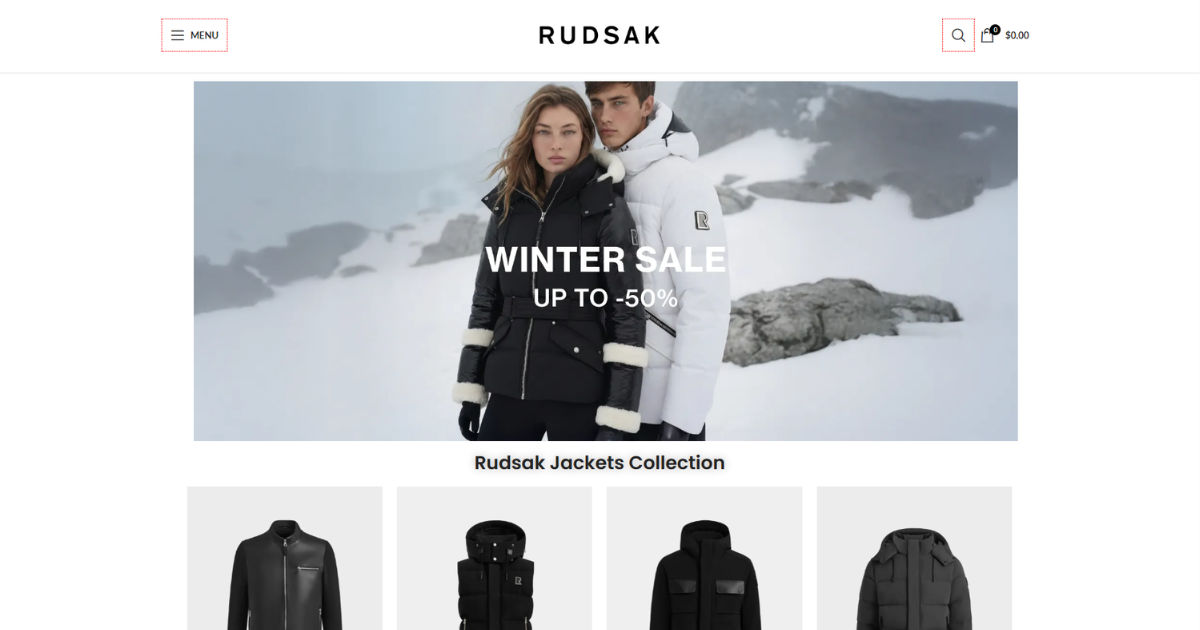
From the streets of New York to the alleys of Paris, urban culture has always influenced how people dress, what they value, and how they live.
In this guide, we will explore the factors that shape urban fashion and lifestyle, focusing on influences such as streetwear, social media, sustainability, and brand identity.
Brands like Rudsak have become synonymous with modern urban fashion, blending style with functionality to meet the needs of city life.
Urban fashion is not just about clothing; it is an entire lifestyle. It reflects the personality, values, and creativity of individuals who navigate the fast-paced rhythm of city living. This guide aims to break down the key elements that define urban fashion and lifestyle while offering insights into how you can embrace this culture in your own life.
The Evolution of Urban Fashion
Urban fashion has evolved dramatically over the decades. What started as streetwear influenced by musicians, artists, and skateboarders has now transformed into a global trend with high-end brands joining the movement. Urban fashion thrives on diversity, blending casual wear with designer pieces, comfort with style, and classic elements with modern innovation.
In the past, urban fashion was heavily influenced by hip-hop culture. Baggy jeans, oversized jackets, and sneakers became statements of identity. Today, urban fashion incorporates minimalistic designs, sustainable fabrics, and smart layering techniques. Brands like Rudsak play a significant role in this evolution by offering clothing that combines edge, practicality, and sophistication suitable for urban environments.
Cultural Influences on Urban Style
Culture has always been at the heart of urban fashion. Music, art, and local traditions shape the way people dress and present themselves. For instance, hip-hop, punk, and electronic music cultures have all left unique marks on city fashion trends.
Music and Street Culture
Music influences not only clothing choices but also lifestyle behaviors. Hip-hop brought bold graphics, statement sneakers, and urban jackets into the mainstream. Punk culture introduced edgy, rebellious elements like leather jackets, spikes, and bold patterns. Even today, city dwellers continue to draw inspiration from music scenes, translating rhythm and attitude into their daily wear.
Art and Graffiti
Street art and graffiti also have a profound impact on urban fashion. Graffiti-inspired prints and vibrant colors appear on T-shirts, hoodies, and sneakers. Brands like Rudsak often incorporate urban artistry into their collections, creating designs that resonate with city aesthetics while maintaining functionality and quality.
Local Traditions and Diversity
Cities are melting pots of cultures. The diversity in urban areas allows for unique fashion statements that blend global trends with local flavors. Whether it’s ethnic-inspired accessories or fusion styles, urban fashion thrives on mixing the traditional with the contemporary.
The Role of Social Media and Influencers
Social media platforms like Instagram, TikTok, and Pinterest have revolutionized urban fashion. They provide instant access to trends, street styles, and emerging brands, enabling users to explore new looks daily. Influencers and content creators often dictate which brands gain popularity, turning them into must-have items.
Digital Communities and Fashion Movements
Digital communities allow people to share their personal styles and create new fashion movements. Hashtags, challenges, and curated feeds can make a single design viral overnight. Rudsak, for example, has leveraged social media to highlight its versatile urban jackets and coats, appealing to a younger, trend-conscious audience who seek style without sacrificing comfort.
Online Shopping and Convenience
The rise of e-commerce has made urban fashion more accessible than ever. Shoppers can now browse entire collections online, compare prices, read reviews, and receive items at their doorstep. This convenience has changed the way urban residents shop, focusing on efficiency, brand reputation, and the overall experience.
Streetwear: The Heart of Urban Fashion
Streetwear remains the core of urban fashion. Comfortable, functional, and expressive, streetwear allows individuals to define their style identity without adhering to traditional fashion rules.
Sneakers and Footwear Culture
Sneakers are more than just footwear in urban fashion—they are symbols of identity. Limited-edition releases, collaborations, and unique designs turn sneakers into collectible items. Urban fashion enthusiasts pair these statement shoes with casual or even semi-formal attire, creating a versatile yet stylish look.
Jackets and Outerwear
Outerwear is crucial in shaping urban style, especially in cities with diverse climates. Coats, leather jackets, and bomber jackets are staples in urban wardrobes. Brands like Rudsak have gained fame for creating high-quality outerwear that combines durability, warmth, and fashion-forward designs, making them perfect for urban environments.
Accessories and Personal Expression
Accessories, such as hats, backpacks, and jewelry, allow urban dwellers to add personality to their outfits. Statement pieces often reflect subcultures, personal interests, or social affiliations. From bold sunglasses to urban backpacks, accessories complete the urban fashion narrative.
Urban Lifestyle: Beyond Clothing
Fashion and lifestyle go hand in hand. Urban lifestyle encompasses the way people live, work, commute, and socialize in city environments. Understanding lifestyle trends helps explain why urban fashion looks and functions the way it does.
Fast-Paced City Life
City living demands clothing that is versatile, practical, and comfortable. Urban dwellers often move between work, social events, and casual outings in a single day. Fashion brands respond to this need by designing multi-functional pieces that can be dressed up or down without compromising comfort.
Sustainability and Ethical Choices
Sustainability has become a key concern in urban lifestyle choices. Many urban residents now prioritize eco-friendly fabrics, ethical production, and durable clothing over fast-fashion trends. Brands like Rudsak align with this movement by producing high-quality items that last, reducing the environmental impact of disposable fashion.
Health and Fitness Integration
Modern urban lifestyles emphasize wellness, fitness, and self-care. Activewear and athleisure have become integral parts of urban fashion. Comfortable, functional clothing that supports movement is now a standard, whether it’s for commuting by bike, walking long distances, or attending fitness classes.
Technology and Urban Fashion
Technology has reshaped not only how urban residents shop but also how fashion is designed and consumed.
Smart Fabrics and Wearable Tech
Innovations in textile technology have introduced smart fabrics, waterproof materials, and temperature-regulating clothing. Urban brands such as Rudsak experiment with advanced fabrics to ensure their pieces meet city dwellers’ functional needs without compromising style.
Mobile Apps and Virtual Fitting
Mobile apps, AR fitting rooms, and AI-driven fashion recommendations have enhanced the shopping experience. Urban consumers can now visualize outfits before purchasing, reducing the guesswork and improving satisfaction.
Digital Marketing and Influencer Collaborations
Technology also amplifies brand messaging. Digital campaigns, influencer partnerships, and social media ads have become vital tools in shaping urban fashion trends. Consumers now follow brands like Rudsak not just for the product but for the lifestyle and image associated with it.
Globalization and Urban Fashion Trends
Globalization has blurred geographical boundaries in fashion. Urban styles in one city now influence trends across continents.
Cross-Cultural Fusion
Fashion-forward cities often adopt styles from multiple cultures. This cross-cultural fusion results in a mix of patterns, textures, and silhouettes that define contemporary urban fashion. International brands collaborate with local designers to create collections that appeal globally.
Rapid Trend Cycles
Global connectivity accelerates trend cycles. What is popular in Tokyo or London can become a must-have item in New York within weeks. Urban consumers must adapt quickly, and brands like Rudsak maintain relevance by continuously updating designs while staying true to their core aesthetic.
Social Identity and Urban Fashion
Urban fashion is a form of self-expression. Clothing and lifestyle choices communicate identity, beliefs, and values.
Subcultures and Communities
Subcultures, such as skaters, hip-hop enthusiasts, or tech-savvy creatives, use fashion to signal belonging. Each subculture has its own distinct style codes, which can be adopted or blended to create personalized urban looks.
Professional and Social Balance
Urban fashion must balance professional attire with social engagement. Office wear, casual hangouts, and nightlife events require adaptable wardrobe choices. Brands like Rudsak cater to this balance by offering pieces that work in multiple contexts, merging functionality with urban chic.
The Psychology Behind Urban Fashion Choices
Understanding why people choose certain styles reveals the psychology behind urban fashion.
Status and Recognition
Clothing can signify status, achievement, or social recognition. Designer labels and high-quality brands like Rudsak convey sophistication and taste, helping urban consumers feel confident and acknowledged in social circles.
Comfort and Self-Expression
Comfort is a significant factor in urban fashion. People select clothing that not only looks good but also supports daily activities. At the same time, fashion allows for creative self-expression, letting individuals showcase personality, mood, or creativity.
Peer Influence and Trend Adoption
Social influence drives fashion adoption. Friends, influencers, and online communities impact purchasing decisions. Urban residents often emulate trends while adding their unique touch, resulting in dynamic, ever-changing street styles.
The Future of Urban Fashion and Lifestyle
Urban fashion will continue to evolve, shaped by cultural shifts, technological innovations, and sustainability concerns.
Sustainable Urbanism
Future trends are likely to favor sustainable materials, ethical production, and long-lasting designs. Urban consumers will increasingly prioritize environmentally conscious choices without compromising aesthetics.
Integration of Technology
Technology will further merge with fashion. Smart textiles, AI-driven styling, and virtual fashion experiences will redefine how people interact with their wardrobe.
Continued Cultural Fusion
Urban fashion will keep borrowing from global influences while celebrating local traditions. The interplay of heritage and modernity will create innovative designs that resonate with city dwellers worldwide.
Conclusion
Urban fashion and lifestyle are more than clothing—they are expressions of identity, culture, and values. Factors such as culture, music, social media, technology, sustainability, and global trends shape the choices people make in urban environments. Brands like Rudsak exemplify the modern urban ethos, offering stylish, functional, and durable clothing that meets the needs of city living.
Understanding urban fashion requires looking beyond trends. It’s about observing how people interact with their environment, how they express themselves, and how they balance comfort, practicality, and style. Whether through streetwear, sustainable choices, or tech-driven fashion, urban lifestyles continue to redefine what it means to live and dress in the city.
As cities grow and evolve, urban fashion will remain a vibrant reflection of culture, innovation, and personal expression. Embracing this lifestyle is not just about following trends—it’s about creating a unique, authentic identity that resonates with the energy and diversity of modern urban life. For those navigating the city streets, the right choices in clothing and lifestyle can empower confidence, individuality, and a deep connection to the urban world.
