
Attention-Deficit/Hyperactivity Disorder, or ADHD, affects how the brain manages focus, impulses, and energy.
Many people think ADHD only impacts children, but teens and adults also live with it every day. Learning how to Treat Your ADHD and Self-Care practices together can make daily life more manageable and less stressful.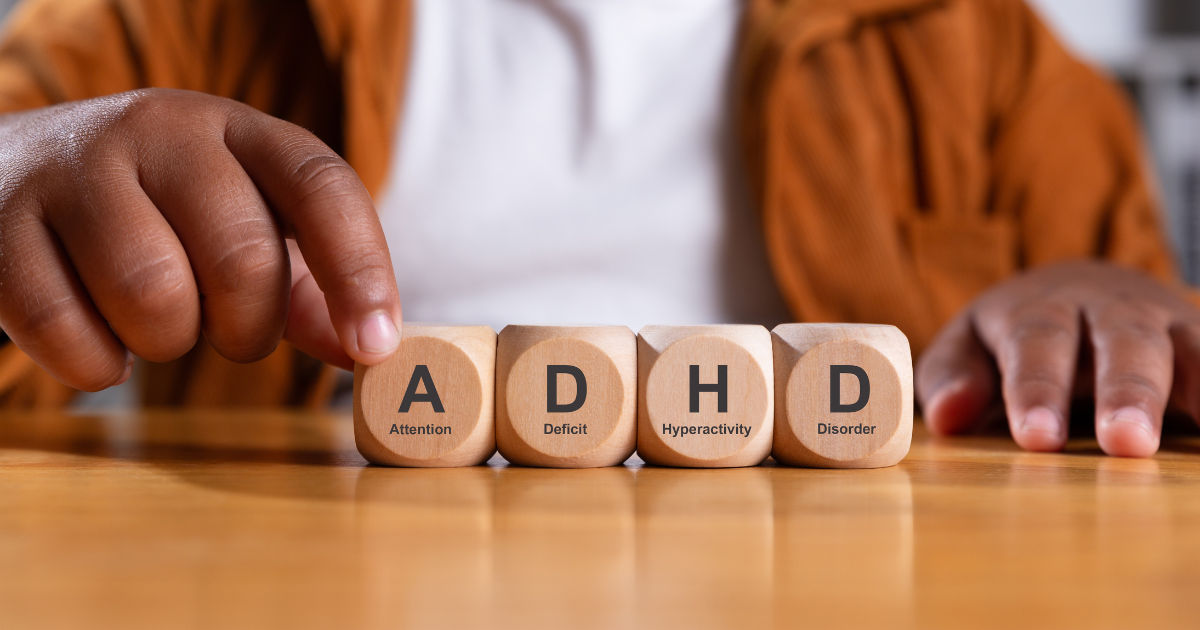
In this guide, you will learn how Treat Your ADHD and Self-Care work as a team. Self-care is not a cure, but it is a powerful way to support your brain.
When you Treat Your ADHD and Self-Care habits consistently, you build routines that improve focus, mood, and confidence.
Self-care is about daily choices. It includes sleep, food, movement, emotions, and how you organize your day. Using Treat Your ADHD and Self-Care ( https://onlinemedspharmacy.com/buy-adderall-online/ ) strategies helps you take control instead of feeling overwhelmed.
Why Self-Care Is Essential for ADHD Management
ADHD affects executive function. This includes planning, memory, and emotional control. Medication and therapy are helpful, but self-care fills the gaps. When you Treat Your ADHD and Self-Care together, you support both brain and body.
Stress makes ADHD symptoms worse. Poor sleep, junk food, and burnout can increase distraction and impulsivity. Treat Your ADHD and Self-Care routines reduce stress and help stabilize your energy.
Self-care also builds self-awareness. Over time, Treat Your ADHD and Self-Care habits teach you what works for your unique brain.
Creating a Daily Routine That Supports ADHD
Structure is important for ADHD. A flexible but predictable routine can lower anxiety. When you Treat Your ADHD and Self-Care through routines, you reduce decision fatigue.
Start your day at the same time. Use morning rituals like stretching or journaling. These simple acts help Treat Your ADHD and Self-Care needs before distractions begin.
Break tasks into small steps. Short blocks of time feel less overwhelming. This approach helps Treat Your ADHD and Self-Care by building momentum.
Sleep Self-Care for Better Focus
Sleep problems are common with ADHD. Poor sleep increases forgetfulness and irritability. Learning to Treat Your ADHD and Self-Care with better sleep can change everything.
Set a consistent bedtime. Avoid screens at least one hour before bed. These habits Treat Your ADHD and Self-Care by calming the nervous system.
Create a sleep-friendly environment. Dark rooms and cool temperatures support deeper rest. Quality sleep helps Treat Your ADHD and Self-Care by improving attention the next day.
Nutrition and ADHD-Friendly Eating Habits
Food affects brain chemistry. Skipping meals or eating too much sugar can worsen symptoms. Balanced nutrition is a key way to Treat Your ADHD and Self-Care.
Eat regular meals with protein, healthy fats, and complex carbs. These nutrients support focus and mood. Good nutrition helps Treat Your ADHD and Self-Care naturally.
Stay hydrated. Dehydration can mimic ADHD symptoms. Drinking enough water is a simple way to Treat Your ADHD and Self-Care daily.
Physical Activity as Self-Care for ADHD
Exercise boosts dopamine and norepinephrine, which are chemicals involved in attention. Moving your body is a powerful way to Treat Your ADHD and Self-Care.
You do not need intense workouts. Walking, dancing, or biking all help. Regular movement helps Treat Your ADHD and Self-Care by releasing excess energy.
Try exercising before studying or work. This primes your brain and supports Treat Your ADHD and Self-Care goals.
Mindfulness and Relaxation Techniques
ADHD minds are often busy. Mindfulness teaches you to slow down. When you Treat Your ADHD and Self-Care with mindfulness, you improve emotional control.
Start with short breathing exercises. Even five minutes can help. These practices Treat Your ADHD and Self-Care by grounding your thoughts.
Meditation apps and guided videos can be helpful tools. Over time, mindfulness becomes a reliable way to Treat Your ADHD and Self-Care.
Time Management Self-Care Strategies
Time blindness is common in ADHD. Hours can pass without notice. Learning time management is essential to Treat Your ADHD and Self-Care.
Use timers and alarms. Visual clocks can help you stay aware. These tools Treat Your ADHD and Self-Care by making time visible.
Plan your day the night before. Writing tasks down reduces mental clutter and helps Treat Your ADHD and Self-Care effectively.
Organizing Your Environment
Clutter can increase distraction. A calm space supports a calm mind. Organizing your surroundings helps Treat Your ADHD and Self-Care.
Designate specific places for important items. Consistency helps reduce frustration. This approach Treat Your ADHD and Self-Care by saving mental energy.
Use labels, bins, and reminders. These simple tools support Treat Your ADHD and Self-Care without perfection.
Emotional Self-Care and ADHD
Emotional sensitivity is common with ADHD. Small setbacks can feel huge. Emotional self-care helps Treat Your ADHD and Self-Care with compassion.
Practice self-talk that is kind and realistic. Replace shame with understanding. This mindset helps Treat Your ADHD and Self-Care emotionally.
Journaling can help process feelings. Writing things out supports Treat Your ADHD and Self-Care by reducing emotional overload.
Social Self-Care and Support Systems
Connection matters. ADHD can affect relationships, but support makes a difference. Building healthy connections helps Treat Your ADHD and Self-Care.
Communicate your needs clearly. Let others know how they can help. Honest communication helps Treat Your ADHD and Self-Care socially.
Join support groups or online communities. Shared experiences remind you that you are not alone. Community support strengthens Treat Your ADHD and Self-Care efforts.
Digital Self-Care and Screen Management
Technology can be both helpful and distracting. Managing screen time is important to Treat Your ADHD and Self-Care.
Limit notifications. Too many alerts increase distraction. Digital boundaries help Treat Your ADHD and Self-Care by protecting focus.
Use apps designed for ADHD organization. When used wisely, technology can support Treat Your ADHD and Self-Care goals.
Building Consistency Without Perfection
Perfection is not realistic. ADHD thrives on flexibility. When you Treat Your ADHD and Self-Care, focus on progress, not perfection.
Expect setbacks. Missing a routine does not mean failure. Self-forgiveness helps Treat Your ADHD and Self-Care long term.
Celebrate small wins. Every positive habit strengthens your ability to Treat Your ADHD and Self-Care.
When Self-Care Is Not Enough
Self-care is powerful, but sometimes more support is needed. Therapy and medication are valid options. Combining professional help with Treat Your ADHD and Self-Care creates balance.
If symptoms interfere with school, work, or relationships, seek help. There is strength in asking for support. Professional guidance enhances Treat Your ADHD and Self-Care strategies.
Creating a Personalized Self-Care Plan
Everyone with ADHD is different. What works for one person may not work for another. A personalized approach helps Treat Your ADHD and Self-Care effectively.
Start small. Choose one or two habits to focus on. Gradual changes support Treat Your ADHD and Self-Care success.
Review your plan often. Adjust as needed. Flexibility is key when you Treat Your ADHD and Self-Care.
Common Myths About ADHD and Self-Care
Some believe self-care is selfish. In reality, it is necessary. Taking care of yourself helps Treat Your ADHD and Self-Care responsibly.
Others think self-care must be expensive or time-consuming. Simple habits can still Treat Your ADHD and Self-Care effectively.
Understanding the truth helps remove guilt and supports Treat Your ADHD and Self-Care confidence.
Long-Term Benefits of Self-Care for ADHD
Over time, self-care builds resilience. It improves focus, emotional balance, and self-esteem. Long-term habits help Treat Your ADHD and Self-Care sustainably.
Self-care also teaches self-trust. You learn how to listen to your needs. This awareness strengthens Treat Your ADHD and Self-Care outcomes.
Consistency leads to growth. Small steps taken daily help Treat Your ADHD and Self-Care for life.
Conclusion
Learning how to Treat Your ADHD and Self-Care together is a journey, not a quick fix. ADHD affects many areas of life, but self-care gives you tools to respond with strength and understanding.
By focusing on sleep, nutrition, movement, organization, and emotional health, you create a solid foundation. These habits help Treat Your ADHD and Self-Care in practical and realistic ways.
Remember that progress matters more than perfection. Be patient with yourself. When you consistently Treat Your ADHD and Self-Care, you build a healthier relationship with your mind and body. Over time, self-care becomes not just a strategy, but a lifestyle that supports success, balance, and confidence.

