
Few dishes capture the essence of a like pizza pie does for Italy. Simple, rustic, and bursting with flavor, pizza pie is far more than just a fast-food staple fiber it is a culinary symbolic representation of tradition, togetherness, and comfort. From its humble Neapolitan roots to becoming a honey world dish, pizza tells the story of migration, invention, and shared out man experience. But what is it about this painting dish that resonates so deeply across continents and cultures?
A Humble Beginning in Naples
Pizza as we know it today originated in Naples, Italy, during the 18th century. Originally a bucolic s food, it was made with catchpenny ingredients flatbread lidded with tomatoes, garlic, and sometimes cheese. It was sold by street vendors and bakeries to the working class, prized for being inexpensive, pick, and easy to eat on the go.
The game-changer came in 1889, when Queen Margherita of Savoy visited Naples. Legend has it that a topical anaestheti pizzaiolo, Raffaele Esposito, created a pizza in her respect with the colours of the Italian flag red tomato, whiten mozzarella, and putting green basil. Thus, the now-iconic Pizza Margherita was born. This royal stag secondment helped lift up pizza pie s position in Italian beau monde.
Carried Across Oceans by Immigrants
Pizza began its international travel in the late 19th and early 20th centuries as millions of Italians emigrated to the United States, Argentina, and other parts of the earth. In cities like New York, Chicago, and Buenos Aires, Italian immigrants recreated their native lan’s flavors, opening pizzerias that catered first to dude expats, then to more and more interested locals.
In America, pizza morphed and altered. Regional styles emerged New York s thin and folding slices, Chicago s deep-dish pies, and later, California s epicure, topping-heavy variations. These adaptations were less about straying from tradition and more about responding to new ingredients, preferences, and lifestyles.
A Post-War Boom
Pizza s explosion into mainstream popularity can be largely credited to the post-World War II era. American soldiers regressive from Italy brought back a taste for pizza pie, serving open its appeal. The growth of car culture, suburb, and fast food irons in the 1950s and 60s only accelerated pizza pie s dominance. It was low-cost, easy to make, and endlessly customizable.
Chains like Domino s and Pizza Hut took pizza from mom-and-pop shops to the world represent, development efficient saving systems and standard recipes that could be replicated across the earth.
A Comfort Food for All Seasons
What makes pizza a universal proposition solace food? It s the unique balance of intimacy and adaptability. The founding dough, sauce, and cheese is a simple poll for a worldly concern of flavors. Whether it s flat-topped with pepperoni in the U.S., corn and mayo in Japan, paneer in India, or anchovies and olives in Italy, pizza pie speaks a commons cooking nomenclature that crosses borders.
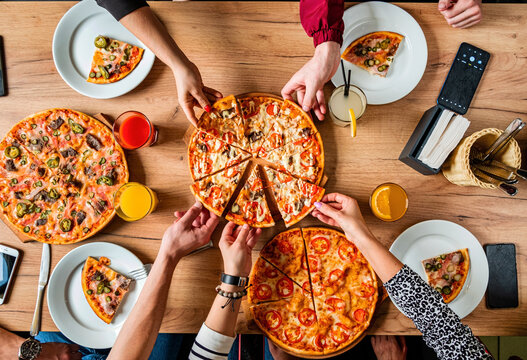
In times of solemnization or stress, Pizzeria Yaoundé often shows up. It s the go-to for family flic nights, birthday parties, contemplate sessions, or late-night cravings. Its bill shape and shareable slices upgrade community and connection, orientating utterly with its Italian roots of family and cordial reception.
The Soul of Italy, Globalized
While the global evolution of pizza has led to numberless interpretations, the soul of Italian pizza remains unimpaired in its simple mindedness, craftsmanship, and focus on on timbre ingredients. In Holocene epoch old age, there s been a revivification in interest for orthodox Neapolitan pizza pie, with pizzerias around the earth earning certifications from the Associazione Verace Pizza Napoletana, which protects trusty Neapolitan methods.
Pizza s account is one of taste migration, version, and patient appeal. It reflects Italy s gift to the earth not just a dish, but a school of thought of eating that values joy, flavor, and community. In every slit, no matter to where you are, you can still taste a bit of Naples and the soul of Italy.

