
Surah Ar Rahman is one of the most beautiful and powerful chapters of the Quran. It is often called “The Bride of the Quran” because of its unique style, rhythm, and deep message.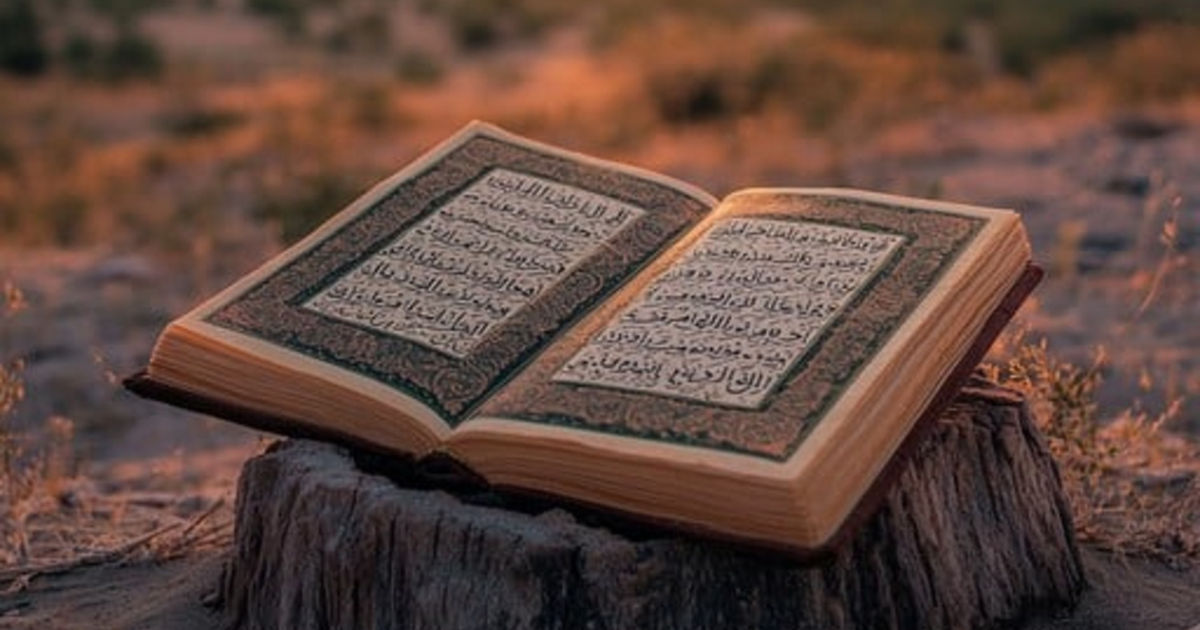
One of the most striking features of Surah Ar Rahman is the repetition of a single verse again and again.
This repeated verse captures the attention of the reader and listener and invites deep reflection.
Many students, especially at the 12th-grade level, often ask why Allah repeats the same verse so many times in Surah Ar Rahman.
Is it only for beauty, or does it carry a deeper meaning? This blog post is a complete and comprehensive guide that explains the repeated verses in Surah Ar Rahman, their purpose, spiritual impact, and lessons for daily life.
This article is written in simple language, with short paragraphs, so it is easy to read and understand.
By the end, you will clearly understand why repetition is so powerful in Surah Ar Rahman and how it strengthens faith and gratitude.
Overview of Surah Ar Rahman
Surah Ar Rahman is the 55th chapter of the Quran. It was revealed in Makkah and consists of 78 verses. The Surah focuses on Allah’s mercy, blessings, power, and justice. It speaks to both humans and jinn, reminding them of the countless favors Allah has given.
From the very first verse, Surah Ar Rahman establishes its central theme: mercy. Allah introduces Himself as Ar-Rahman, the Most Merciful. Throughout the Surah, natural wonders, human creation, balance in the universe, and scenes of the Hereafter are described vividly.
What makes Surah Ar Rahman unique is its repeated question that challenges the reader to think deeply about gratitude and accountability.
The Famous Repeated Verse in Surah Ar Rahman
The repeated verse in Surah Ar Rahman is:
“Which of the favors of your Lord will you deny?”
This verse appears 31 times in Surah Ar Rahman. It is addressed to both humans and jinn. Each repetition follows a mention of a blessing, a sign of Allah’s power, or a warning.
The repetition is not random. Every time the verse is repeated, it follows a different example of Allah’s mercy or justice. This creates a strong emotional and spiritual effect on the listener.
Why Repetition Is Used in the Quran
Repetition is a powerful teaching method. In literature and education, repetition helps ideas stay in the mind. The Quran uses repetition to emphasize important truths.
In Surah Ar Rahman, repetition serves several purposes:
-
It strengthens the message
-
It encourages reflection
-
It awakens gratitude
-
It warns against denial
By repeating the same verse, Surah Ar Rahman forces the reader to pause and think again and again.
Repetition as a Reminder of Allah’s Blessings
One of the main reasons for repetition in Surah Ar Rahman is to remind people of Allah’s countless blessings. Humans often forget how much they are given. By repeating the question, Allah reminds us that denying His favors is impossible.
Each repetition follows a blessing such as:
-
Creation of humans
-
Teaching of speech
-
The sun and moon
-
Balance in nature
-
Fruits, plants, and grains
After each blessing, Surah Ar Rahman asks the same question, pushing the reader to admit the truth.
Addressing Humans and Jinn Together
Surah Ar Rahman is unique because it directly addresses both humans and jinn. The repeated verse is meant for both groups. This shows that Allah’s mercy and accountability apply to all intelligent beings.
When Surah Ar Rahman repeats the verse, it reminds humans and jinn that neither can deny Allah’s favors. Both are equally responsible for recognizing and appreciating His mercy.
Psychological Impact of Repetition in Surah Ar Rahman
Repetition has a deep psychological effect. Hearing the same verse again and again creates awareness and emotional response.
In Surah Ar Rahman, repetition:
-
Builds rhythm and beauty
-
Creates anticipation
-
Encourages self-questioning
-
Softens the heart
When the verse is recited, listeners often feel moved, sometimes even emotional. This emotional connection helps the message settle deeply in the heart.
Repetition and Gratitude
Gratitude is a central theme of Surah Ar Rahman. The repeated verse is a direct challenge to ingratitude.
Every time the verse is repeated, it is as if Allah is asking:
How can you deny what is clearly in front of you?
Surah Ar Rahman teaches that gratitude is not optional. Recognizing Allah’s favors is part of faith.
Repetition After Warnings and Punishment
Not all repetitions in Surah Ar Rahman come after blessings. Some come after warnings about punishment and Hell.
This shows balance. Allah is Merciful, but He is also Just. By repeating the verse after mentioning punishment, Surah Ar Rahman reminds us that even warnings are a form of mercy.
They are chances to reflect, repent, and return to the right path.
Repetition and Accountability
The repeated verse in Surah Ar Rahman also highlights accountability. By asking the same question repeatedly, Allah removes all excuses.
On the Day of Judgment, no one will be able to say they were unaware. Surah Ar Rahman makes it clear that signs and reminders are everywhere.
Linguistic Beauty of Repetition in Surah Ar Rahman
From a linguistic perspective, repetition adds beauty and flow. The verse fits perfectly into the rhythm of Surah Ar Rahman.
Arabic listeners especially feel the musical quality of the Surah. The repetition creates harmony and makes the Surah easy to memorize.
This linguistic beauty is one reason Surah Ar Rahman is often recited in prayers and gatherings.
Educational Lessons from Repetition
For students, Surah Ar Rahman teaches an important lesson: repetition helps learning.
By repeating the same idea in different contexts, understanding becomes deeper. Surah Ar Rahman repeats one question but places it after different examples.
This teaches that one truth can be understood from many angles.
Spiritual Reflection Encouraged by Repetition
Repetition in Surah Ar Rahman encourages deep spiritual reflection. Each time the verse appears, the reader is invited to reflect on a different blessing.
This method turns reading into an active experience. The reader is not just reading words but answering a question again and again in their heart.
Repetition as a Form of Mercy
Some scholars explain that repetition itself is mercy. Allah does not mention His favors once and move on. He repeats them so no one can miss the message.
Surah Ar Rahman shows that Allah wants humans and jinn to succeed. The repeated verse is like a gentle reminder, not a harsh command.
Connection Between Repetition and Daily Life
The message of repetition in Surah Ar Rahman applies to daily life. People often overlook simple blessings like health, family, food, and safety.
By repeating the same question, Surah Ar Rahman trains the believer to constantly reflect and be thankful, even for small things.
Repetition and Strengthening Faith
Faith grows through reminders. Surah Ar Rahman strengthens faith by repeating its core message.
Each repetition acts like a reinforcement, making belief stronger and denial weaker. Over time, this builds a deep sense of trust in Allah.
Repetition and Balance in the Universe
Surah Ar Rahman talks about balance in creation. The repeated verse reflects this balance.
Mercy and justice, reward and punishment, reminder and warning—all are balanced. The repetition helps maintain this balance throughout the Surah.
Why the Number of Repetitions Matters
The verse appears 31 times in Surah Ar Rahman, which is not accidental. While the Quran does not explain the number directly, scholars say the frequency shows emphasis.
The high number of repetitions ensures the message cannot be ignored.
Common Misunderstandings About Repetition
Some people mistakenly think repetition means lack of creativity. Surah Ar Rahman proves the opposite.
Each repetition adds new meaning because it follows a different context. The message remains the same, but the lesson grows deeper each time.
How Students Can Reflect on Surah Ar Rahman
Students can benefit greatly from Surah Ar Rahman by:
-
Reading translation carefully
-
Pausing at each repeated verse
-
Thinking about personal blessings
-
Writing reflections
This approach makes Surah Ar Rahman more meaningful and relatable.
Repetition and the Art of Listening
Listening to Surah Ar Rahman being recited highlights the power of repetition even more.
The repeated verse creates a rhythm that captures attention. This makes listening an active experience, not a passive one.
Lessons for Modern Society
In today’s fast-paced world, people often forget gratitude. Surah Ar Rahman addresses this problem directly.
The repetition reminds modern readers to slow down and reflect. No matter how advanced society becomes, dependence on Allah remains.
Repetition as a Universal Message
The repeated verse in Surah Ar Rahman is universal. It speaks to people of all times, cultures, and backgrounds.
Everyone can relate to blessings and accountability. This universality makes Surah Ar Rahman timeless.
Conclusion
The repeated verses in Surah Ar Rahman are not mere repetition; they are a powerful teaching tool. Through repetition, Allah emphasizes gratitude, reflection, mercy, and accountability. Each repetition invites the reader to pause and honestly answer a life-changing question.
Surah Ar Rahman uses repetition to awaken hearts, strengthen faith, and remind humans and jinn of their responsibilities. For students and readers alike, understanding this repetition opens the door to deeper appreciation of the Quran.
By reflecting on each repeated verse, one learns that denying Allah’s favors is impossible. The repetition transforms reading into a dialogue between the Creator and the creation. This is what makes Surah Ar Rahman truly unique and unforgettable.
