
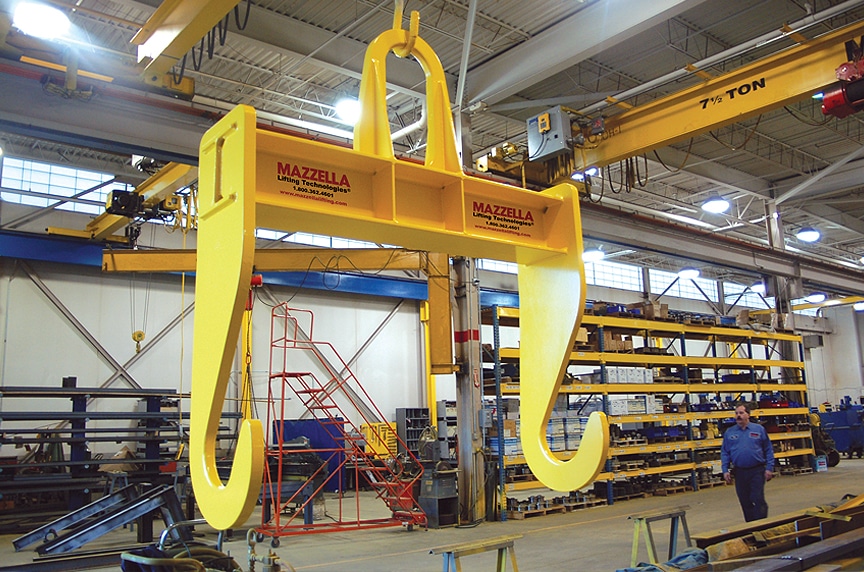
Below the hook lifting devices are tools that straight beneath a stretch out hook or run up hook to help lift, hold, and move heavily heaps. These devices are widely used in factories, warehouses, shipyards, and construction sites where materials are too boastfully, heavy, or awkward to lift by hand. By attaching firmly to the load, below the hook lifting devices help reduce risk, ameliorate poise, and give operators better verify during lifting tasks.
Unlike simpleton maulers, these are premeditated for particular lifting needs. Some grip the load, some support it from underneath, and others unfold the angle . This makes crane lifting attachments a key part of modern font material treatment systems.
Why Below the Hook Lifting Devices Matter
Lifting heavily materials always carries risk. Loads can transfer, swing over, or fall if not handled the right way. Below the hook lifting help keep these problems by holding heaps stalls and secure during social movement. They also reduce stress on workers who might otherwise try to steer or set scores manually.
Another reason below the hook lifting matter is . When the right is used, lifting tasks take less time and need few adjustments. This means electric sander workflows, less downtime, and safer job sites overall.
Common Types of Below the Hook Lifting Devices
There are many types of below the hook lifting devices, each made for different materials and lifting conditions. Some of the most common include:
Spreader bars, these help distribute angle across long or wide mountain, reducing deflexion and stress Lifting beams, synonymous to broadcaster bars but often adjustable for different load sizes Plate clamps, used to grip steel plates securely from the side or top Coil lifters, premeditated to lift metal coils safely in upright or horizontal positions C hooks, usually used for lifting boastfully coils or rolls without negative them Slab pair of tongs, which clamp onto or pit slabs for steady lifting
Each of these below the hook lifting is stacked to wield particular shapes, weights, and materials.
How Below the Hook Lifting Devices Work
Below the hook lifting devices work by creating a procure connection between the crane and the load. The device attaches to the stretch out hook at one end and grips, supports, or cradles the load at the other end. When the stretch out lifts, the transfers the load angle evenly and keeps it equal.
Many below the hook lifting are designed with safety features such as lockup mechanisms, load indicators, or non slip surfaces. These features help see to it the load stays in place during lifting, lowering, and social movement across the work area.
Safety Benefits of Below the Hook Lifting Devices
Safety is one of the biggest advantages of using below the hook lifting devices. By retention the load securely, these tools tighten the of born materials and abrupt shifts. This protects workers, , and close structures.
Below the hook lifting also help exert proper lifting angles, which reduces try on slings, meat hooks, and stretch out components. When used aright, they subscribe safer lifting practices and help meet workplace safety standards without adding complexness to trading operations.
Choosing the Right Below the Hook Lifting Devices
Selecting the right below the hook lifting devices depends on several factors. Load angle is the first thoughtfulness. The must be rated to handle the uttermost load safely. Load shape and size also count, as different designs suit different materials.
Other factors let in how often the will be used, the environment it will run in, and how finespun the lifting needs to be. Some below the hook lifting devices are best for repetitious tasks, while others are apotheosis for occasional or custom lifts.
Inspection and Maintenance Practices
Regular inspection is requisite for below the hook lifting devices. Before each use, operators should for cracks, wear, bent parts, or let loose components. Any discredited device should be distant from service at once.
Routine sustentation helps broaden the life of below the hook lifting and keeps them workings as witting. Cleaning, lubrication, and scheduled inspections see to it trustworthy performance and reduce unexpected failures during lifts.
Applications Across Industries
Below the hook lifting are used across many industries. In manufacturing, they help move raw materials and finished products. In twist, they subscribe lifting beams, panels, and heavily equipment. In transport and logistics, these atten with loading and unloading vauntingly shipment.
Their tractability makes below the hook lifting valuable wherever heavy or bulky materials need to be handled safely and expeditiously.
Improving Workflow with the Right Equipment
When the below the hook lifting are used, work flows more swimmingly. Loads are upraised with confidence, movements are limited, and workers can focalise on placement rather than bedevilment about stableness. Over time, this leads to better productiveness and fewer disruptions on the job site.
Below the hook lifting devices uphold to play a quiet but life-sustaining role in lifting trading operations. With the right selection, proper use, and regular care, they support safer lifts, becalm treatment, and rock-steady results day after day, making heavy lifting feel more limited and dirigible in real working conditions.


