
Introduction to Cannabinoid Formulations
When browsing an online hemp catalogue, one of the first distinctions shoppers encounter on production labels is the difference between full-spectrum, panoramic-spectrum, and sequestrate CBD oils. Although all three formulations initiate from valid industrial hemp plants, the way their biology compounds are extracted, purified, and integrated creates very different compositions. Understanding how these three categories work allows buyers to read production descriptions accurately, compare testing ground certificates, and choose a bottle that aligns with their personal preferences regarding season, pureness, and retrace cannabinoid cheap CBD.
What Defines Full-Spectrum CBD Oil
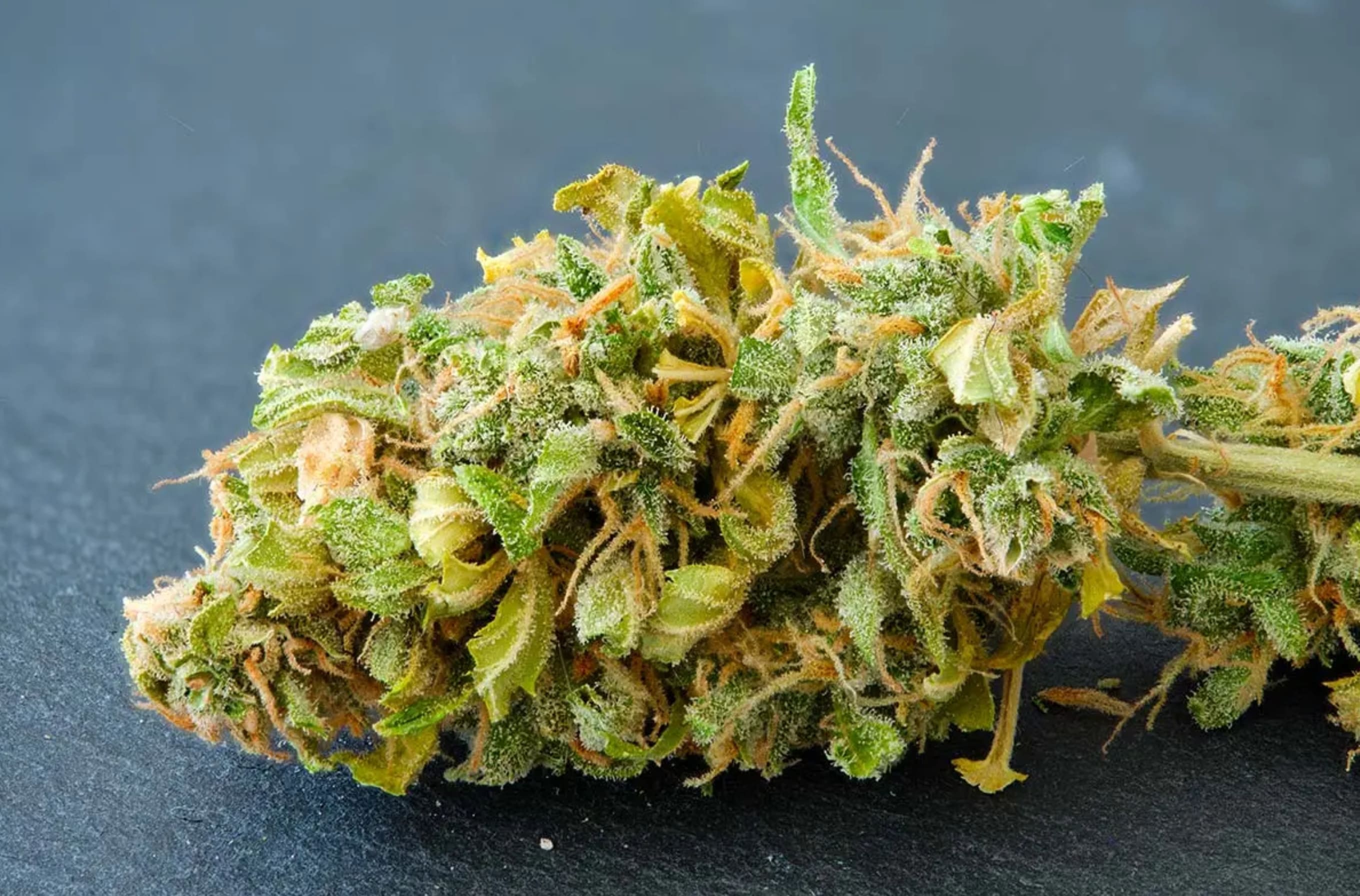
Full-spectrum CBD oil contains the complete range of of course occurring compounds establish in the harvested hemp bloom. Alongside cannabidiol, this extract retains tiddler cannabinoids such as cannabigerol, cannabichromene, and cannabinol, as well as redolent terpenes, flavonoids, and natural plant lipids. It also contains retrace amounts of THC within exacting legal thresholds, which in France and across the European Union must continue at or below 0.3 percent. Proponents of full-spectrum formulations value this minimally unsexed visibility because the compounds interact harmoniously, a botanic synergism widely referred to as the retinue set up. Because few plant waxes and aromatic molecules are removed during processing, full-spectrum oils tend to have a deeper golden or gold hue and an uninhibited, herbal smack that reflects the master copy .
How Broad-Spectrum CBD Oil Bridges the Gap
Broad-spectrum CBD oil undergoes an extra refinement step after initial to selectively transfer perceptible tetrahydrocannabinol while conserving the unexpended cannabinoids and terpenes. Manufacturers typically use or technical distillment techniques to keep apart and split the regulated heighten without baring away healthful secondary winding molecules. As a leave, broad-spectrum oils volunteer much of the redolent complexity and multi-cannabinoid associated with full-spectrum extracts, yet supply spear carrier reassurance for consumers who prefer zero THC in their daily subroutine. Visually, fanlike-spectrum oils are often light in tinge than full-spectrum alternatives, and their flavour visibility is usually milder, making them accessible for newcomers who find raw hemp extracts too vivid.
The Purity and Precision of CBD Isolate
CBD sequestrate represents the purest commercially available form of cannabidiol, purified until all other plant count, waxes, chlorophyll, terpenes, and minor cannabinoids are eliminated. After winterization, filtration, and crystallization, the resulting material is a fine white crystalline pulverise examination at 99 percentage or high cannabidiol purity. Producers then this pure pulverise into a carrier oil such as organic fertilizer hemp seed oil or fractionated coconut oil to create a standardized liquid impregnate. Because isolate lacks terpenes and flavonoids, it is virtually washed-out, odorless, and neutral in flavor. This predictability makes keep apart ideal for individuals who want exact mg consistency per drop without any botanic aftertaste or retrace secondary winding compounds.
Comparing Aroma, Appearance, and Laboratory Documentation
Examining a product’s Certificate of Analysis is the most TRUE way to verify which spectrum category is interior a nursing bottle. A TRUE full-spectrum report will mensurable peaks for cannabidiol aboard small percentages of tiddler cannabinoids and a obedient trace recitation for delta-9 THC. A fanlike-spectrum account will show cannabidiol plus secondary winding cannabinoids such as CBG or CBC, opposite with a non-detectable result for THC. Conversely, an keep apart describe will show a unity conspicuous bar for cannabidiol with non-detectable levels across every other tower. Beyond cannabinoid charts, discriminating buyers also check terpene profiles, where present, to foreknow whether the oil carries citrus tree, pine, floral, or peppery notes.
Selecting the Right Formulation for Your Needs
Choosing among these three options comes down to subjective priorities rather than a 1 universal monetary standard. Shoppers who appreciate trusty whole-plant and traditional botanic extracts often gravitate toward full-spectrum oils from reputable European producers. Those who want multi-compound poise while avoiding any retrace of THC ofttimes choose beamy-spectrum formulations. Meanwhile, buyers quest a flat oil with unequivocal ace-ingredient transparence typically prefer set apart. By checking extraction methods, oils, and third-party lab sheets before ordering, consumers can sail any hemp storefront with clearness and trust.
How Extraction and Winterization Shape the Final Spectrum
To appreciate why full-spectrum, wide-screen-spectrum, and sequester oils differ in tinge and viscousness, it helps to retrace their path after first . Raw hemp emerging from a supercritical carbon dioxide vessel contains not only cannabinoids and terpenes, but also cancel set lipids, waxes, and chlorophyll. Producers typically do a cold filtration work known as winterization, cooling the extract in food-grade ethyl alcohol so heavy waxes solidify and can be filtered out. For a full-spectrum oil, purification for the most part Chicago after gentle and filtration, departure nestlin cannabinoids and redolent compounds intact. Broad-spectrum oils uphold on to targeted distillment or flash chromatography, where technicians selectively split -9 THC molecules while retaining CBG, CBC, and terpenes. Isolate undergoes threefold crystallizing cycles in a limited vessel until pure cannabidiol precipitates out as bright white crystals, stripped of every trace of plant pigment and secondary winding aroma.