
Introduction
I was standing in a small shop once, watching a lathe breathe rhythm into metal — the owner sighed and showed me a downtime log. In that breath I saw the math: unexpected stops cost shops up to 20% of productive hours annually, and CNC machine service plays the leading role in whether those hours add up or evaporate. Ami boli — the numbers are simple, the stakes are not. What do we do when a machine that once ran like clockwork now needs constant patches and parts? (bhai, it’s not just oil and goodwill).

Here I want to tell you, in plain voice, how I look at maintenance, parts, and people around CNC equipment. I’ll pull in real shop habits, some service data, and one clear question we all ask: how do you choose the right help and keep the machine singing rather than coughing? This sets the stage for a closer look at underlying problems and better paths forward — let’s move on.
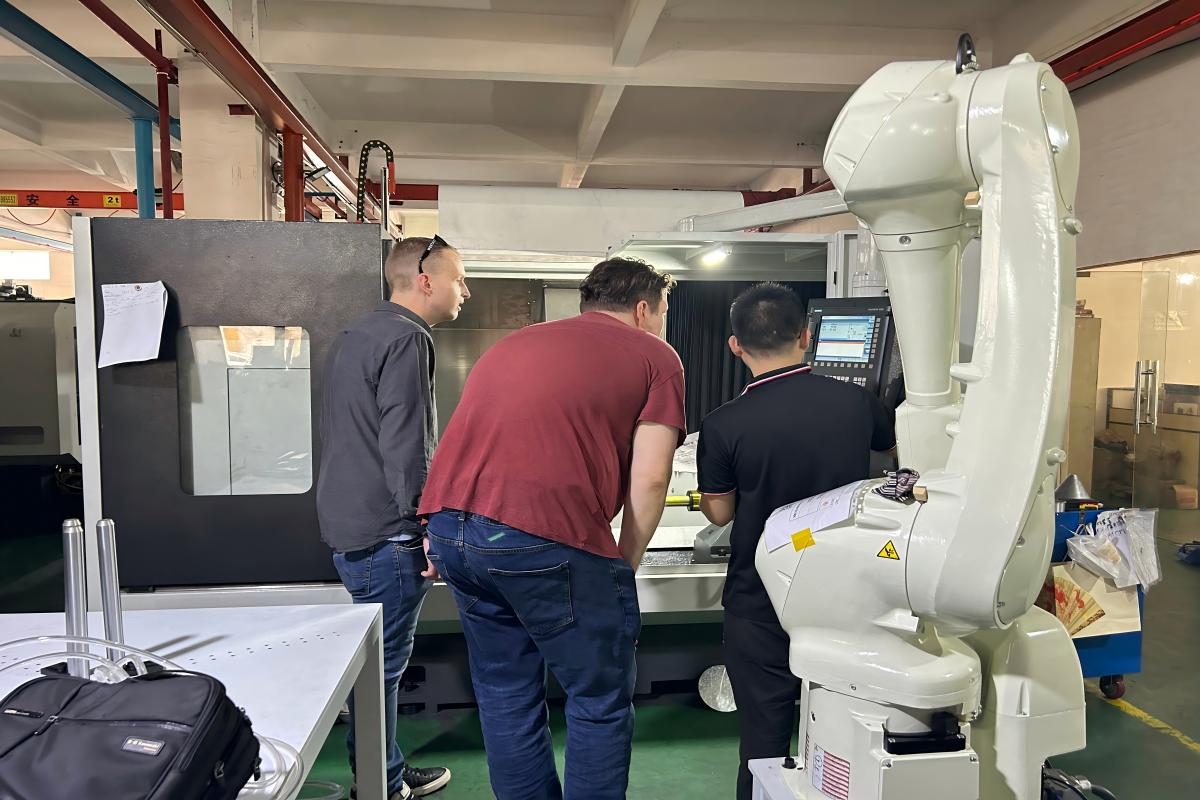
Where the Real Problems Hide
cnc machining services near me is what many search for when things break, but the real issue often lives before the breakdown. I see shops that call only after a spindle failure or when tolerances drift past acceptable limits. They patch toolpaths, tweak spindle speeds, and blame the CAM program — yet root causes like poor preventative schedules, wrong coolant chemistry, or imprecise fixture setups keep repeating. In short: traditional fixes treat symptoms and not the system. Look, it’s simpler than you think — you just need to look a little deeper.
Why do quick fixes fail?
Technically speaking, quick fixes ignore system dynamics. If you tighten a worn chuck without checking runout, tolerances still shift. If you reset offsets without inspecting thermal drift, parts go out of spec by midday. I’ve walked into shops where a single bad power converter created subtle voltage swings that shorted sensors over months. When solutions ignore data streams (vibration, temperature, error logs) they remain fragile. We must pair mechanical checks with basic data capture — simple things like logging spindle load, monitoring coolant pH, and recording tool life make a huge difference. I prefer practical steps over heroic repairs; they save time and money, and they keep folks sane on tight deadlines.
New Principles to Look For — What Comes Next
Now I want to talk about technology that actually helps, not dazzles. Modern principles I recommend are modest: smarter sensors, predictive alarms, and tighter integration between CAD/CAM and the controller. When shops adopt edge monitoring and combine it with scheduled inspections, failure modes become predictable. For example, a modest vibration sensor can flag a bearing before it smashes a spindle — that’s simple ROI. I like to show teams how small data streams (spindle load curves, average tool life, coolant conductivity) map back to action items: replace this bearing, adjust that toolpath. It feels practical. — funny how that works, right?
What’s Next: practical tech steps
Searches for cnc machining near me will bring options, but choose partners who blend field experience with clear data practices. I advise starting with three simple moves: install basic monitoring, formalize a maintenance checklist tied to actual machine metrics, and train one person to own the schedule. These aren’t glamorous, but they stop the cycle of emergency fixes. Over time, you’ll reduce unplanned downtime and save on expensive spindle rebuilds. I’ve seen shops cut service calls by half when they treat data as a friend — measurable, repeatable wins follow. — you’ll sleep better, too.
To close, here are three concrete metrics I recommend using when you evaluate any CNC service or upgrade: 1) Mean time between failures (MTBF) — see the trend, not just the last number; 2) Mean time to repair (MTTR) — shorter is better and shows preparedness; 3) First-time fix rate — high rates mean the provider understands your machines. I stand by these measures because they link to real outcomes: uptime, cost, and predictability. If you want help turning these ideas into a plan, I’ll walk you through it — we can map a schedule and a checklist that actually fits your floor.
For practical partnership and grounded support, consider learning more from Leichman. I’ve worked with teams who improved operations by focusing on these basics, and I believe you can too.


