
If you spend long hours working at a desk, the comfort and support of your chair are crucial. One of the most iconic and comfortable options is the eames office chair.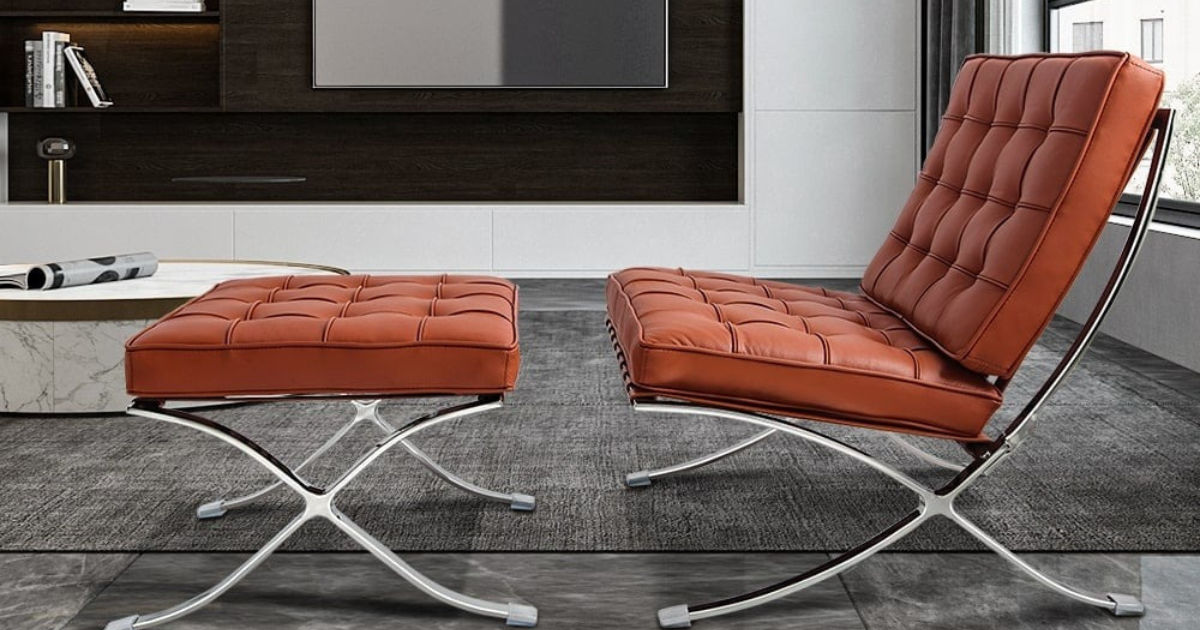
Known for its sleek design, ergonomic support, and durability, this chair is a favorite for both home offices and professional workspaces. However, to get the most out of your eames office chair, proper adjustments are essential.
In this guide, we will provide a detailed, step-by-step approach to adjusting your chair for maximum comfort and productivity.
Understanding the Components of Your Eames Office Chair
Before making adjustments, it’s important to understand the parts of your eames office chair. Familiarity with the components will make it easier to customize the chair to your body and working style.
-
Seat: The main area where you sit. Most eames office chairs have a padded seat with ergonomic contours.
-
Backrest: Supports your spine. The backrest may have adjustable tilt and height options.
-
Armrests: Provide support for your arms and shoulders. Many models allow height and width adjustments.
-
Tilt Mechanism: Allows you to recline and lock the chair at different angles.
-
Height Adjustment Lever: Changes the chair’s seat height to suit your desk and body height.
-
Base and Casters: The foundation of the chair, typically a five-star base with smooth-rolling casters for mobility.
Understanding these parts is crucial because each can be adjusted to improve posture and reduce fatigue during long working hours.
Adjusting the Seat Height
One of the most important adjustments for any office chair is the seat height. Incorrect seat height can lead to poor posture, back pain, and leg discomfort. The eames office chair makes this process simple.
-
Sit on the chair with your feet flat on the floor.
-
Locate the height adjustment lever, usually under the right side of the seat.
-
Pull the lever upward and either lift your body slightly to raise the seat or sit down to lower it.
-
Adjust until your thighs are parallel to the floor, and your knees form a 90-degree angle.
-
Ensure your feet rest flat on the ground for optimal support.
Proper seat height allows you to maintain a neutral posture and prevents pressure on the back of your thighs.
Adjusting the Backrest Angle
The backrest is critical for spinal support. The eames office chair often comes with a tilt mechanism that lets you adjust the backrest angle for comfort and ergonomic support.
-
Locate the tilt tension knob underneath the seat.
-
Turn the knob clockwise to increase resistance or counterclockwise to reduce it.
-
Sit back and lean slowly to find your ideal reclining angle.
-
Lock the backrest in place if your chair has a lock feature.
-
Ensure the backrest supports the natural curve of your spine without pushing your torso forward or backward excessively.
Adjusting the backrest correctly reduces strain on your lower back and promotes better posture throughout the day.
Adjusting the Armrests
Many users overlook armrest adjustments, but they are key for reducing shoulder and neck tension. The eames office chair usually has adjustable armrests that can move up, down, and sometimes even sideways.
-
Sit comfortably in your chair with your shoulders relaxed.
-
Adjust the height so your elbows form a 90-degree angle when resting on the armrests.
-
If possible, adjust the width so your arms are supported without forcing your shoulders inward.
-
Ensure that your wrists remain neutral while typing and are not bent upwards or downwards.
Correct armrest adjustments help prevent repetitive strain injuries and enhance overall comfort.
Adjusting the Tilt Tension
Tilt tension refers to how easily your eames office chair reclines. Different users prefer different levels of resistance depending on their body weight and comfort preference.
-
Locate the tilt tension knob under the seat.
-
Turn the knob clockwise to make reclining harder or counterclockwise to make it easier.
-
Lean back gradually to test the tension.
-
Adjust until reclining feels smooth but still supportive.
Proper tilt tension allows for natural movement while preventing the chair from feeling too loose or too stiff.
Adjusting the Seat Depth
Seat depth adjustment is essential for thigh support. Many eames office chair models offer a sliding seat or adjustable seat pan.
-
Sit on the chair and ensure your back is firmly against the backrest.
-
Slide the seat forward or backward until there is a small gap (about 2–4 inches) between the back of your knees and the seat edge.
-
Ensure your thighs are fully supported without putting pressure on your knees.
Adjusting seat depth properly enhances circulation and reduces leg fatigue during long hours of sitting.
Adjusting Lumbar Support
Proper lumbar support is vital for preventing lower back pain. Some eames office chair models come with adjustable lumbar support.
-
Locate the lumbar support adjustment lever or knob, usually on the backrest.
-
Position the support so it fits the curve of your lower spine.
-
Adjust the height and firmness to your preference.
-
Sit back and check if the support maintains the natural S-curve of your spine.
Good lumbar support prevents slouching and promotes a healthy posture, especially during extended periods of sitting.
Adjusting the Headrest
If your eames office chair has a headrest, it can provide additional support for your neck and upper spine.
-
Adjust the headrest height so it rests comfortably behind your head.
-
Tilt it forward or backward to support the natural curve of your neck.
-
Ensure it does not push your head forward or create strain on your cervical spine.
A properly adjusted headrest reduces tension in your neck and shoulders, particularly when leaning back or reclining.
Checking Stability and Mobility
After making all adjustments, ensure your eames office chair is stable and moves smoothly.
-
Test the casters on different floor surfaces to ensure smooth rolling.
-
Check that all adjustment mechanisms lock securely.
-
Sit and shift your weight to test balance and stability.
-
Tighten any loose screws or bolts if necessary.
Ensuring proper stability and mobility keeps your chair safe and functional.
Tips for Maintaining Your Eames Office Chair
Maintaining your eames office chair ensures longevity and consistent comfort.
-
Clean regularly: Use a soft cloth for leather or fabric and avoid harsh chemicals.
-
Lubricate moving parts: Apply lubricant to casters and adjustment mechanisms to keep them smooth.
-
Inspect periodically: Check screws, bolts, and casters for wear or looseness.
-
Avoid overloading: Do not exceed the chair’s weight capacity.
-
Use appropriate flooring: Protect casters and floors by using a mat if necessary.
Proper maintenance keeps your chair comfortable and functional for years.
Common Mistakes to Avoid
Even with adjustments, users often make mistakes that reduce comfort.
-
Ignoring seat height: Too high or too low can strain legs and back.
-
Incorrect backrest angle: Leaning too far or too little can create poor posture.
-
Misaligned armrests: Arms unsupported can cause shoulder tension.
-
Neglecting lumbar support: Slouching leads to lower back pain.
-
Skipping tilt tension adjustment: Reclining may feel awkward or unsafe.
Avoiding these mistakes ensures you fully benefit from your eames office chair.
Benefits of Properly Adjusted Eames Office Chair
A properly adjusted eames office chair provides several benefits:
-
Improved posture: Supports the natural spine curve and reduces slouching.
-
Reduced fatigue: Proper support prevents strain on muscles and joints.
-
Enhanced productivity: Comfort allows longer periods of focused work.
-
Long-term health benefits: Reduces risk of back, neck, and shoulder pain.
-
Stylish and functional: The iconic design adds aesthetic value to any office.
These benefits make the small effort of adjusting your chair worthwhile.
Conclusion
The eames office chair is more than just a stylish piece of furniture—it is an ergonomic tool that supports your body during long hours of work. Proper adjustment of the seat height, backrest, armrests, tilt tension, seat depth, lumbar support, and headrest ensures maximum comfort and health benefits. Regular maintenance and avoiding common adjustment mistakes prolong the life of your chair and enhance your workspace experience. By following these detailed steps, anyone can optimize their eames office chair to match their unique body shape, work habits, and comfort needs. Investing time in proper adjustments today can lead to improved posture, reduced fatigue, and greater productivity tomorrow.